Spa for Couples: Relaxing Ideas for a Shared Wellness Experience
Few shared activities slow time down like a spa visit, where warm rooms, quiet rituals, and expert touch replace screens, schedules, and background noise. For couples, that pause can feel especially valuable because it creates space to relax side by side without needing to plan an elaborate getaway. Whether you are booking a first massage together or comparing full-day spa packages, knowing what to expect helps you choose an experience that fits your comfort level, budget, and goals. This guide maps the essentials clearly, from treatment types to booking tips and aftercare.
Article Outline
- What a spa for couples usually includes, and how it differs from solo spa services.
- The benefits of shared wellness time, from stress relief to better quality time.
- How to compare couple spa packages, spa types, prices, and amenities.
- How to plan the day smoothly, including etiquette, timing, and useful add-ons.
- A practical conclusion for couples who want a memorable, worthwhile spa experience.
Understanding a Spa for Couples: What It Means and What It Usually Includes
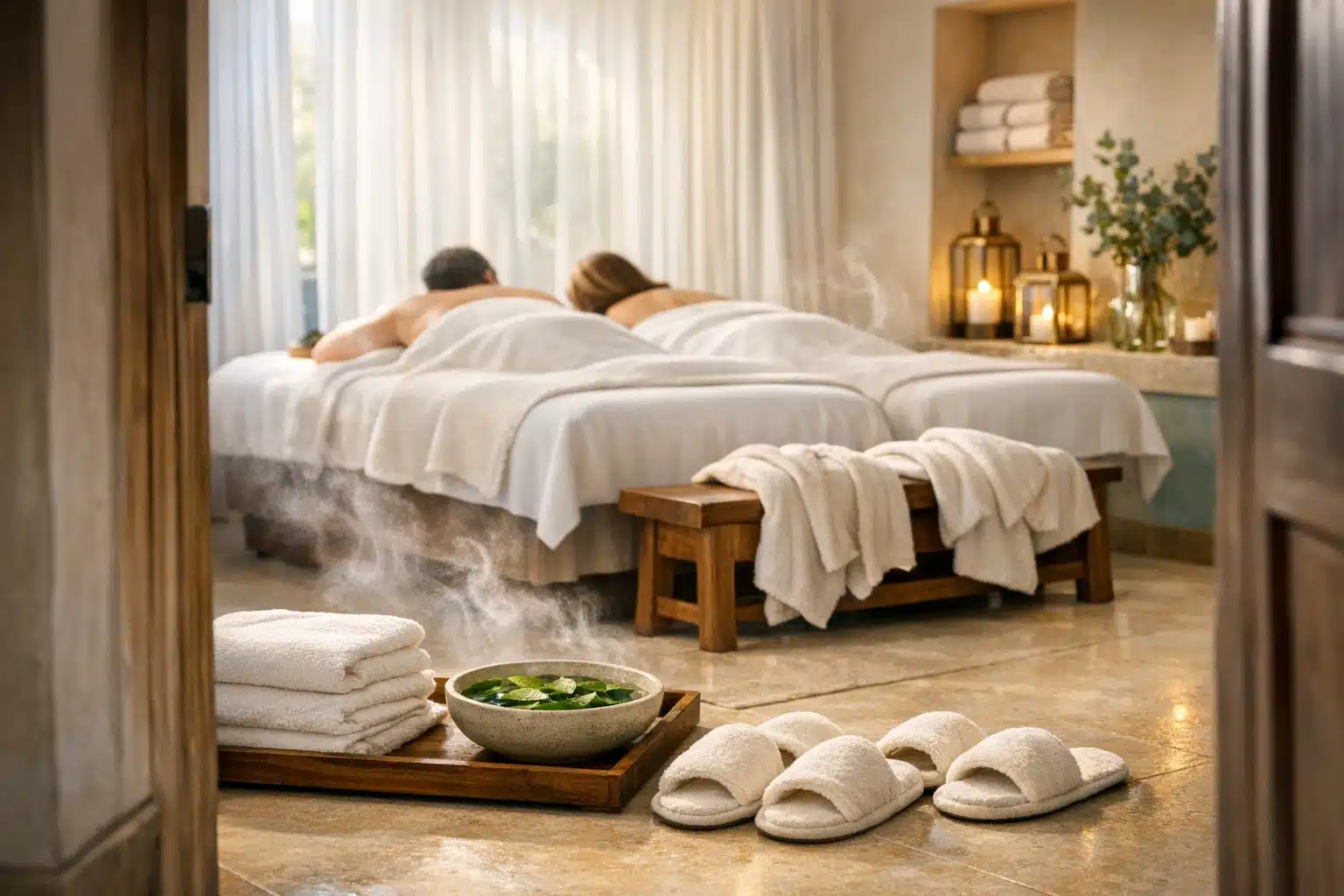
A spa for couples is not a single treatment so much as a format for experiencing wellness together. In most cases, it means two people receive services during the same visit, often in the same room, though some properties design the day as a sequence of shared and individual treatments. The most recognizable option is a side-by-side massage, but couple spa packages can also include facials, body scrubs, hydrotherapy circuits, access to saunas, steam rooms, thermal pools, quiet lounges, and light refreshments. The broad term SPA covers a wide range of settings, from compact urban day spas to large resort facilities with long treatment menus and extensive bathing areas.
One common misunderstanding is that a couple spa experience must be intensely romantic. In reality, it is simply a shared wellness activity. Many partners book it for birthdays or anniversaries, while others choose it because they both need a calmer weekend plan than dinner in a busy restaurant. Friends, siblings, and parents with adult children also book couple rooms at some spas, especially when the package is structured around relaxation rather than celebration. The key feature is coordination: two schedules aligned, two preferences considered, and a setting designed to support a slower pace.
Most couple spa visits include some combination of the following:
- A treatment room prepared for two guests at once
- A choice of massage styles, such as Swedish, deep tissue, hot stone, or aromatherapy
- Shared access to amenities like whirlpools, saunas, steam rooms, or relaxation lounges
- Optional extras such as champagne alternatives, tea service, fruit plates, or private soaking tubs
- A fixed time block, often 60, 90, or 120 minutes, sometimes extended into a half-day package
Comparing spa types helps clarify what you are actually booking. A day spa is usually the most straightforward option for local visits and shorter appointments. A hotel or resort spa often provides a more immersive setting, with pools, terraces, and longer access windows. A thermal spa or bathhouse emphasizes water experiences, moving the focus beyond massage. Some medical spas also offer relaxation services, but their primary identity may be more treatment-oriented, so couples seeking a soft, restorative atmosphere often prefer a classic wellness spa instead.
A good couple spa experience feels less like a checklist and more like an intentional pause. One quiet hour can reset the mood of an entire week. That is part of its appeal: the world outside may keep rushing, but inside the spa, time finally stops negotiating.
Why a Couple Spa Experience Appeals to So Many People
The appeal of a couple spa day is easy to understand once you compare it with other shared activities. Many date ideas are built around noise, movement, or decision-making: choosing a restaurant, waiting for a table, driving across town, checking phones between courses, or trying to keep conversation alive over loud music. A spa visit works differently. It lowers the demand for performance. You do not need to be witty, productive, or especially social. You simply arrive, settle in, and let the environment do part of the work. For couples with demanding jobs, children, travel fatigue, or packed calendars, that can feel surprisingly rare.
There is also a practical wellness angle. Massage is widely used for relaxation and short-term relief of muscle tension, and many guests report that heat, water therapies, and quiet rest spaces help them unwind more fully than they would at home. Research on massage often suggests short-term improvements in perceived stress and wellbeing for some participants, although results vary by person and treatment type. That matters because a good spa visit is not magic; it is a structured environment that removes friction. Soft lighting, reduced noise, guided breathing, warm towels, and uninterrupted rest all support the same outcome: fewer inputs competing for attention.
For couples specifically, the shared aspect adds another layer. Experiences often become memorable when they are both pleasant and distinct from daily routine. A couple spa session checks both boxes. You remember the warm robe, the eucalyptus scent in the steam room, the relief of putting away your phone, and the simple fact that nobody needed anything from you for a while. That kind of memory can linger longer than a standard night out because it is attached to a felt sense of calm rather than a packed schedule.
Couples often choose spa visits for moments such as:
- Anniversaries and birthdays
- Pre-wedding or post-wedding downtime
- Weekend city breaks and short getaways
- Recovery after stressful work periods
- A thoughtful gift that feels more personal than another object
There is value in comparison too. A dinner date may last two hours, but it can disappear into habit. A spa session often has a stronger sense of occasion because the pace changes so dramatically. Even a simple 60-minute massage followed by tea in a lounge can feel like stepping into a pocket of stillness. A good spa day does not shout for attention; it whispers, and that is exactly why many couples find it memorable.
How to Choose the Right Couple Spa Package
Choosing the right couple spa package is less about finding the most expensive option and more about matching the experience to your expectations. Start with the basics: Do you want a short shared treatment, a half-day retreat, or a full spa day with access to pools and thermal areas? A package that looks generous on paper may still disappoint if the timing feels rushed or if the amenities are crowded. By contrast, a simpler booking at a well-run day spa can feel excellent when the service is organized, the therapists communicate clearly, and the environment is genuinely calm.
One of the most important comparisons is treatment style. Swedish massage is generally chosen for relaxation and is often the safest starting point for first-time spa guests. Deep tissue sessions may suit people who prefer firmer pressure, but they are not always the best choice for a celebratory or deeply restful date. Hot stone, aromatherapy, and body rituals often create a more sensory, immersive experience. If one partner enjoys facials and the other prefers massage, look for customizable packages rather than fixed menus. A good spa should be able to accommodate different preferences without making one guest feel like an afterthought.
It also helps to compare facilities, not just treatments. Consider asking:
- Is access to the sauna, steam room, or hydrotherapy pool included in the price?
- How long can guests stay before or after the treatment?
- Are robes, slippers, towels, and lockers provided?
- Can pressure, scent, music volume, or therapist gender be requested?
- What is the cancellation policy, and are gratuities included?
Budget matters, but value is more useful than price alone. Some spas charge a premium because they are located in luxury hotels, yet the actual treatment length may be the same as at a strong independent spa. Others offer lower rates but add fees for every small amenity. Reading the package details carefully can save disappointment. A 90-minute couple experience might mean 60 minutes of treatment plus 30 minutes in a soaking bath, which is fine if that is what you want, but not if you expected a full hour and a half of hands-on service.
Finally, pay attention to atmosphere. A serene spa for couples should feel coordinated from the first call or booking page onward. Clear communication, accurate treatment descriptions, and realistic photos usually signal good management. If the answers are vague, the menu is confusing, or the reviews repeatedly mention delays and noise, keep looking. The best booking is not the flashiest one. It is the one that fits your goals, respects your time, and leaves room for actual relaxation instead of logistical guesswork.
Planning the Visit Well: Timing, Etiquette, and Small Details That Improve the Day
A couple spa day usually goes better when it is planned with the same care as a short trip. The timing matters more than many people expect. If you schedule treatments between errands, parking stress, and evening plans, you risk undoing the calm before it even starts. Whenever possible, leave margin on both sides of the appointment. Arrive early enough to check in without rushing, use the facilities slowly, and avoid stacking the spa visit against obligations that will pull your attention away. Relaxation likes breathing room.
What you do before the appointment can affect comfort. Hydrate normally, avoid very heavy meals right beforehand, and mention health conditions, injuries, allergies, or pregnancy to the spa in advance so they can advise on suitable treatments. If either person is new to massage, say so. Therapists are used to adjusting pressure and explaining the process. A first visit should feel reassuring, not mysterious. Communication is part of good service, and a reputable spa will not treat basic questions as an inconvenience.
During the visit, a little etiquette keeps the atmosphere pleasant for everyone. Most spas ask guests to speak softly, silence phones, and arrive in robes or provided footwear when moving between facilities. In treatment rooms, modest draping is standard practice, and professional spas explain how to position yourself before the therapist returns. If the pressure is too light, too firm, too warm, or too scented, say something kindly and early. The point is comfort, not endurance.
A simple spa plan might look like this:
- Arrive 30 to 45 minutes early for check-in and facility use
- Spend time in a sauna, steam room, or relaxation lounge before treatment
- Enjoy a 60- or 90-minute massage or mixed treatment package
- Rest afterward with tea, water, or a light snack instead of leaving immediately
- Keep the rest of the day open, or choose a quiet meal rather than a packed itinerary
Aftercare is often overlooked, but it shapes the memory of the experience. Give yourselves a gentle landing rather than diving back into traffic, email, and chores. If possible, walk somewhere calm, eat something light, or simply head home and keep the evening easy. Some couples add flowers, a scenic drive, or a hotel stay, but that is optional. The real upgrade is not extravagance. It is continuity. When the mood of the spa extends into the hours afterward, the experience feels fuller, more coherent, and much more worth the effort of booking.
Conclusion for Couples: How to Make a Shared Spa Experience Feel Truly Worthwhile
For couples, the best spa experience is rarely about luxury for its own sake. It is about choosing a setting that supports the kind of time you actually want together. If your goal is deep rest, a straightforward massage and access to quiet facilities may be better than an overloaded package with too many add-ons. If you want a celebratory atmosphere, a resort spa with a longer stay, scenic surroundings, and a private soaking option may justify the higher cost. The right choice depends less on trends and more on mood, comfort, and how you both like to unwind.
There are a few easy mistakes to avoid. Booking without checking what is included can lead to surprise charges or unrealistic expectations. Choosing the strongest treatment on the menu because it sounds impressive can backfire if what you really want is calm. Cramming the spa between other plans can make the day feel fragmented. And ignoring one partner’s preferences usually weakens the entire experience. A couple spa visit works best when both people feel considered, whether that means different treatment styles, a shorter visit, or a budget-friendly option closer to home.
What makes a spa for couples so enduring as an idea is its balance of simplicity and meaning. It does not require expert knowledge, athletic skill, or a week off work. It can be modest or elaborate, local or destination-based, familiar or special-occasion worthy. At its core, it offers something many couples quietly need more of: uninterrupted time in a setting designed to soften the pace of modern life.
If you are considering a couple spa day, think of it as a shared reset rather than a performance of romance. Ask clear questions, choose a package that reflects your real preferences, and protect the hours around the visit so the calm has room to last. When planned thoughtfully, even a short session can feel spacious. And for couples who value connection through comfort rather than noise, that may be one of the most practical luxuries available.