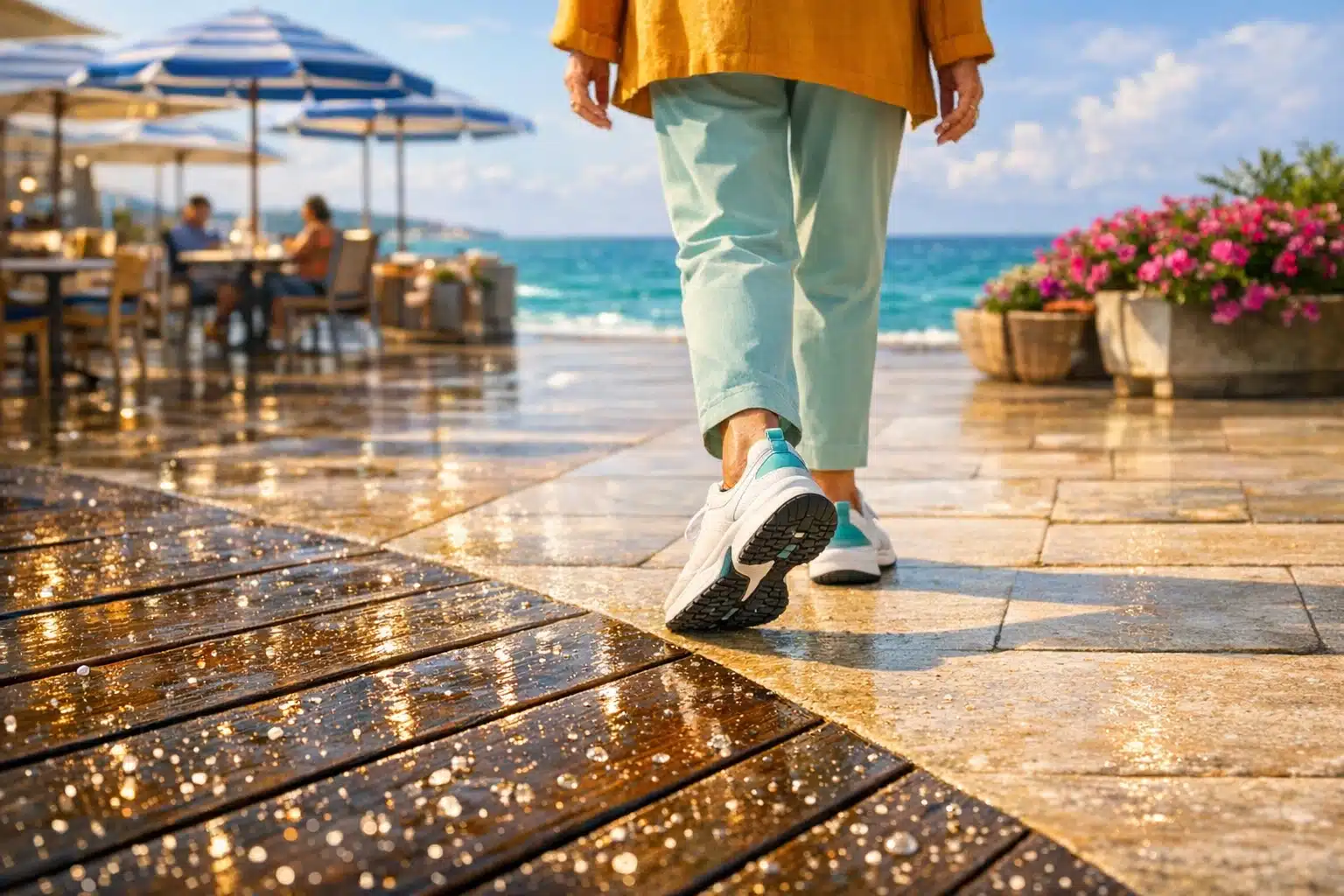
Best Non-Slip Shoes for Elderly Women
Choosing shoes may seem ordinary, yet for many older women it shapes how safely they move through kitchens, sidewalks, grocery aisles, and front steps. A slick outsole on tile or a loose fit on uneven pavement can quickly turn a familiar routine into a painful fall. Well-made non-slip shoes help create steadier contact with the ground, support tired feet, and lower the stress that often comes with walking on uncertain surfaces. This article explains how to judge traction, comfort, support, and style without getting lost in marketing language.
Outline of This Guide and Why Non-Slip Footwear Matters
Before comparing materials, soles, and shoe styles, it helps to understand why this topic deserves careful attention. Falls are a major health concern for older adults. In the United States, the CDC reports that one in four adults aged 65 and older falls each year, and falls are a leading cause of injury in this age group. Shoes are not the only factor, of course, but they are one of the few risk factors that can be improved immediately. A good pair of non-slip shoes acts like a quiet helper: it does not draw attention to itself, yet it gives each step a more dependable foundation.
This guide is organized to answer the questions most shoppers actually ask when standing in front of a store shelf or scrolling through product pages. The outline is simple and practical:
• why non-slip shoes matter and what “non-slip” really means
• which design features improve grip, balance, and comfort
• how foot shape, swelling, arthritis, bunions, and other common concerns affect fit
• how different shoe types compare for indoor wear, outdoor walking, errands, and dressier situations
• how to shop wisely, test traction, and decide when a shoe is worth the price
That structure matters because shopping for senior footwear is rarely just about fashion. Many older women want shoes that feel stable without looking clinical, and that balance can be difficult to find. Some shoes have soft cushioning but poor traction. Others have grippy soles but feel heavy, stiff, or awkward to put on. Marketing terms can also blur the picture. “Slip-resistant,” “grippy,” and “supportive” are often used loosely, even though real performance depends on the outsole material, tread pattern, fit, and walking environment. A polished hospital hallway, a damp porch, and a kitchen floor with a splash of water are not the same challenge. In the sections that follow, each of these points is expanded in detail so the search becomes less guesswork and more informed decision-making.
What Makes the Best Non-Slip Shoes for Elderly Women
The best non-slip shoes for elderly women usually share a few key traits, and the outsole sits at the center of the conversation. Traction begins with material. Rubber outsoles generally grip better than hard plastic, especially when the surface is smooth. The tread pattern matters too. Deep, well-spaced grooves can channel away a bit of water and improve surface contact, while flat, worn, or decorative-only patterns do little to prevent sliding. Some shoes are tested to slip-resistance standards such as ASTM F2913, which can be a useful sign that the shoe was evaluated more seriously than a typical lifestyle sneaker. That said, no shoe can guarantee perfect grip on every contaminated surface, so it is better to think in terms of risk reduction rather than absolute protection.
Supportive design is the second major factor. A low, broad heel is usually safer than a raised or narrow one because it keeps the foot closer to the ground and reduces wobble. A firm heel counter, the structured area around the back of the shoe, helps keep the foot aligned. Secure closures also matter. Laces, adjustable straps, or quality hook-and-loop fasteners are often better than loose slip-ons because they hold the foot in place when changing direction or stepping off a curb. If the foot slides inside the shoe, the outsole can have excellent grip and the wearer may still feel unstable.
Other details shape comfort and long-term wear:
• a wide toe box helps reduce pressure on bunions, hammertoes, and swollen feet
• removable insoles make room for orthotics or custom inserts
• moderate cushioning softens impact without creating a squishy, unstable feel
• lightweight construction reduces fatigue during errands or longer walks
• a slightly rockered sole can ease forward movement for some women, though too much rocker may feel unusual at first
There is also an important difference between softness and stability. Many people assume a very cushioned shoe is automatically safer, but extremely soft midsoles can sometimes reduce ground feel and make balance harder for wearers who already feel unsteady. The strongest choices usually blend cushioning with a stable platform, dependable tread, and a secure fit. In short, the best non-slip shoe is not simply the stickiest one on the shelf. It is the shoe that combines traction, structure, comfort, and easy everyday wear in a way that matches the woman using it.
Fit, Comfort, and Foot Health: Choosing a Safer Pair for Senior Women
Even an excellent outsole cannot compensate for a poor fit. As women age, feet often change in ways that make older sizing habits unreliable. Arches may flatten, feet can become wider, and swelling may vary from morning to evening. Common conditions such as arthritis, bunions, hammertoes, plantar fasciitis, diabetes-related sensitivity changes, and mild neuropathy can all influence what feels comfortable and what feels secure. This is why a shoe that looks perfect in product photos may be disappointing the moment it is worn for a full day. Fit is where comfort meets safety.
A strong starting point is measuring both feet, because one foot is often slightly larger than the other. Shoes should be fitted to the larger foot. Many footwear specialists suggest leaving roughly a thumb’s width of space in front of the longest toe. That extra room helps prevent toe jamming on descents or during longer walks, but it should not be so generous that the foot slides forward. Width matters just as much as length. A cramped shoe can cause pressure and pain, while an overly wide shoe may allow side-to-side movement that increases instability. Trying shoes on later in the day is smart because that is when swelling is usually more noticeable.
For senior women, comfort features should solve real problems rather than simply sound appealing. Consider this practical checklist:
• if fingers struggle with laces, look for large pull tabs or adjustable hook-and-loop straps
• if the ankles feel weak, choose a shoe with a secure collar and a stable heel counter
• if orthotics are used, make sure the original insole can be removed
• if feet swell often, soft uppers with some give can help, but the shoe should still lock the heel in place
• if balance is a concern, avoid high platforms and flimsy open-back styles
Socks also change the fit more than many buyers expect. A shoe that feels perfect with thin socks may feel tight with cushioned pairs, and vice versa. This is especially important in colder months, when thicker socks are common. The ideal fit should feel snug at the midfoot, stable at the heel, and relaxed at the toes. There should be no pinching, no heel lift, and no need to curl the toes to keep the shoe on. When a shoe fits well, walking becomes smoother and more natural. When it does not, every step asks the body to compensate, and that is a tiring bargain for older feet to make.
Comparing Shoe Styles: Walking Shoes, Casual Sneakers, House Shoes, and Dressier Options
There is no universal winner for every older woman because the best non-slip shoe depends heavily on where it will be worn. A woman who walks outdoors every morning has different needs than someone looking for a safe indoor shoe on hardwood floors. This is why comparing styles is more useful than chasing a single “perfect” model. Walking shoes are often the best all-around choice because they usually combine supportive midsoles, secure lacing, and rubber outsoles with meaningful tread. Many women prefer them for errands, travel days, neighborhood walks, and routine appointments. They can look sporty, but newer designs are often much neater and less bulky than older orthopedic stereotypes suggest.
Casual sneakers are another solid option, especially for women who want a lighter or more flexible shoe. The challenge is that casual sneakers vary enormously. Some are stable and well-made, while others are fashion-first and offer very little grip or structure. House shoes and slippers deserve special attention because many falls happen at home. Open-back slippers may feel convenient, but they can increase the chance of shuffling, heel slippage, and catching the edge of a rug. A safer indoor option usually has a closed heel, a firm sole, and enough grip for tile or wood floors. Think of it as indoor footwear with grown-up responsibility.
Dressier shoes can be the trickiest category. Loafers, ballet-style flats, or low wedges may look polished, but they are not automatically safe. Very smooth soles, narrow toe boxes, and low-cut uppers that do not hold the foot securely can create problems. If a dressier look is important for social events, religious services, or dinners out, search for features that quietly support stability:
• rubber outsole instead of slick leather
• low heel rather than elevated wedge
• cushioned insole with firm midfoot support
• adjustable strap if possible
• roomy front shape for natural toe spread
Brand examples can help, but they should never replace fit testing. Lines from companies such as New Balance, Skechers, Orthofeet, Propet, Brooks, and Hush Puppies are often explored by older shoppers because they offer supportive or slip-resistant options in some collections. Still, a respected logo does not make a shoe right for every foot. The more reliable approach is to match the style to the setting: sturdy walking shoes for daily outdoor use, secure indoor shoes for home safety, and dressier low-profile shoes only when they still meet traction and fit standards. Style matters, but stability should be the quiet headline.
How to Shop Smart, Test Traction, and Choose With Confidence
Shopping for non-slip shoes becomes easier when the process is broken into a few calm, repeatable steps. First, define the main use. Is the shoe for indoor wear, quick errands, long walks, travel, or work-like environments such as clinics, restaurants, or volunteer spaces with polished floors? Once the purpose is clear, the decision narrows quickly. Second, read product descriptions with a little skepticism. Look for concrete features instead of vague promises. “Slip-resistant rubber outsole,” “wide width available,” “removable footbed,” and “hook-and-loop closure” tell you more than phrases like “cloud comfort” or “all-day magic.” Good shoes do not need poetry to do their job, though a little style never hurts.
If shopping in person, test the shoe carefully. Walk on different store surfaces if possible. Notice whether the heel lifts, whether the foot slides forward, and whether turning feels secure. If shopping online, review the outsole photo closely and pay attention to return policies. User reviews can be useful when they describe specific experiences, such as how the shoe handled wet sidewalks or whether it accommodated bunions. They are less useful when they simply say “love these” without context. A helpful at-home check is to wear the shoes on clean indoor floors first before taking them outside, especially if returns are allowed only for unworn items.
Maintenance is part of safety too. Even the best tread loses its edge over time. Replace shoes when the outsole looks smoothed down, the midsole feels compressed, or the upper has become so loose that the foot shifts inside. Keep the outsole clean, because dust, oil, and household residue can reduce grip. Rotating between two pairs can also help each pair maintain shape and dry out properly, especially in humid conditions.
For elderly women and the family members helping them shop, the smartest choice is rarely the flashiest one. It is the pair that feels stable from the first steps, supports the foot without squeezing it, and suits the places where real life happens: the kitchen, the driveway, the pharmacy, the garden path, the airport gate. A good non-slip shoe cannot remove every hazard, but it can make daily movement more secure and less tiring. That matters. When comfort and traction work together, confidence follows, and confidence is often the difference between hesitating and stepping forward with ease.