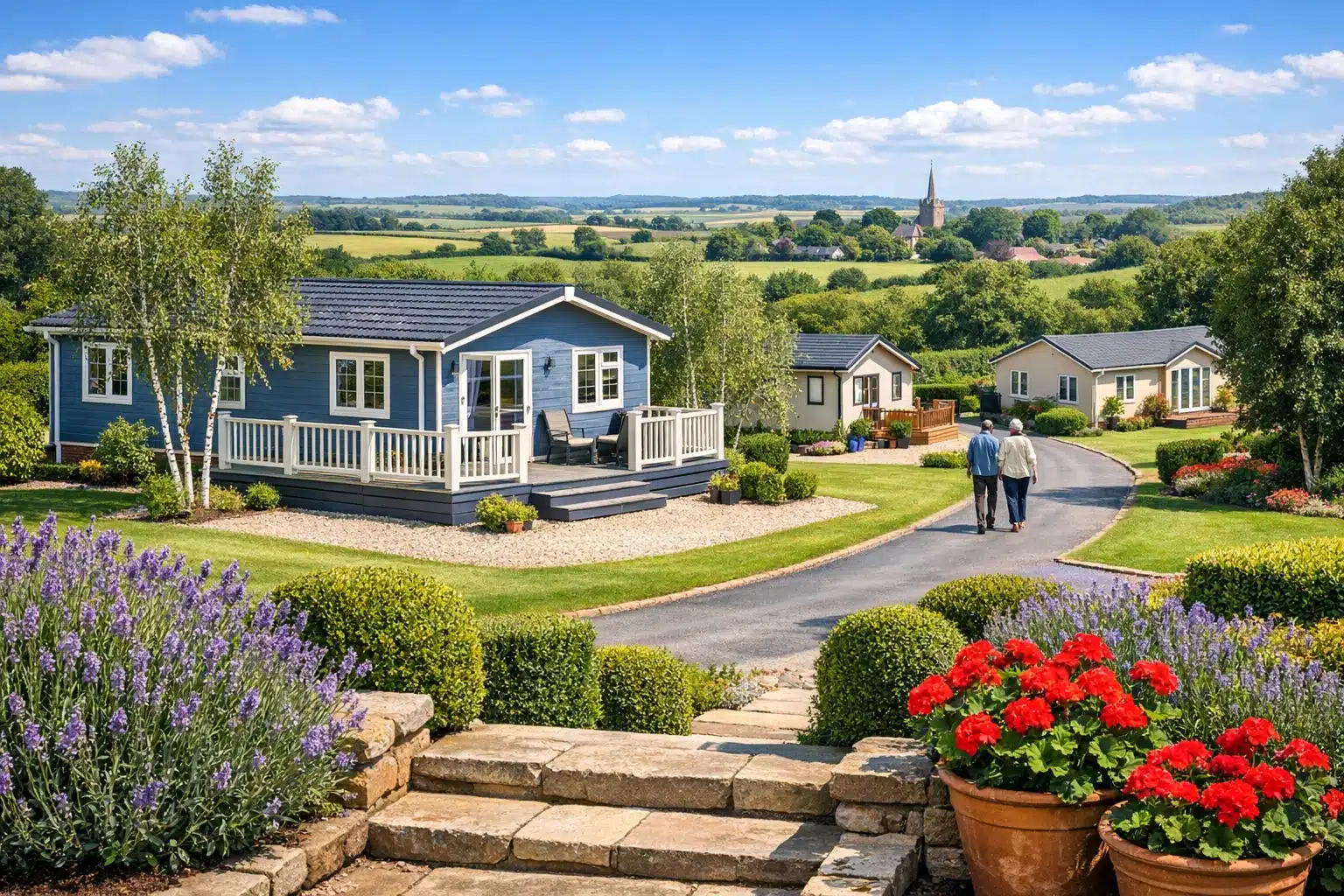
Guide to Mobile Homes for Rent in the UK: Overview of Mobile Home Rental Service and More
Choosing a mobile home is rarely just about square footage; it is often about pace, budget, and the shape of everyday life. For some renters, a unit on a managed park offers a cheaper step between a hotel stay and a standard tenancy. For others, it provides a seasonal base for work, retirement, or a trial run in a new area. Because the UK market mixes residential parks, holiday sites, and private lets, understanding the details before committing is essential.
1. Understanding Mobile Homes in the UK and the Shape of This Guide
Before comparing rents or browsing glossy photos of decked verandas, it helps to understand what a mobile home usually means in the UK. The phrase can describe several types of accommodation, including static caravans, park homes, lodge-style units, and twin-unit homes placed on a managed pitch. Despite the name, many are not moved regularly at all. They are transported to a site, connected to services, and remain there for long periods, sometimes for years. In practical terms, a renter is often choosing between a compact, self-contained home and a more conventional flat or bungalow, but with a very different legal and operational setting.
A clear outline makes the topic easier to navigate, so this guide covers the subject in five parts:
- what mobile homes are and how the UK market uses the term
- why people rent them and what trade-offs to expect
- how mobile home rental services usually work
- which costs, contracts, and legal checks matter most
- how to compare options and decide whether this style of living suits you
Mobile homes matter because they fill a gap that standard housing does not always serve well. In some areas, especially coastal counties, rural communities, and places with strong tourism economies, they offer flexible accommodation that can be easier to arrange than a long private tenancy. Workers on fixed-term contracts, couples testing a new location, retirees seeking a smaller footprint, and even students on unusual placements may all look at this sector for different reasons. The appeal is not only price. Some people want privacy without the cost of a house, while others like the idea of opening the door to a patch of green rather than a communal corridor.
At the same time, this is not a simple substitute for a traditional rental property. Residential park homes and holiday caravans can look similar in photos, yet the rules around occupancy, council tax, utilities, and resident rights may differ sharply. A well-kept unit with modern insulation can feel bright and efficient, while an older one may demand more careful budgeting for heating and maintenance. That contrast is one reason the market deserves a closer look. Mobile homes may seem modest from the outside, but they sit at the intersection of housing, hospitality, land licensing, and lifestyle choice, which makes informed comparison especially valuable.
2. Mobile Homes for Rent: Benefits, Trade-Offs, and Who They Suit Best
The strongest argument in favour of mobile homes for rent is flexibility. In many parts of the UK, renting a standard house or flat can involve high deposits, stiff competition, and a commitment level that does not suit everyone. A mobile home may offer a quicker route into self-contained living, especially when it comes furnished and already set up with basic appliances. For someone relocating for six months, taking on seasonal work, or trying out a quieter region before making a bigger move, that convenience can be more valuable than sheer floor area.
Affordability is another major attraction, although it should never be judged by headline rent alone. A mobile home can cost less per month than a full house in the same broad area, particularly in tourist regions where brick-and-mortar homes are scarce or priced at a premium. Yet the saving depends on what is included. Some lets bundle water, park fees, or Wi-Fi into the rent, while others treat electricity, bottled gas, and site charges separately. In a practical comparison, a slightly higher advertised rent can turn out to be the better deal if it shields the renter from fluctuating utility costs.
People who often find this option worthwhile include:
- seasonal workers in tourism, agriculture, or construction
- retirees seeking a smaller, simpler living arrangement
- couples downsizing after children leave home
- individuals needing temporary accommodation during a move or renovation
- renters who prefer quieter settings over dense urban streets
Still, the trade-offs are real. Space is usually tighter, storage can be limited, and not every unit is designed for full-year comfort. Older holiday-style homes may have thinner insulation, less robust heating, and lighter construction than residential-specification park homes. Newer homes built to residential standards can perform much better, but they are not available everywhere and may command higher rents. Site rules also shape daily life more than many first-time renters expect. There may be restrictions on pets, parking, subletting, noise, visitors, or the use of outdoor areas.
Compared with a flat, a mobile home often offers more privacy and outdoor charm, but it may come with less certainty around long-term tenure. Compared with a house share, it can feel far more independent, though sometimes with fewer local amenities. Imagine two renters in the same county: one pays more for a small town-centre studio and walks to shops, while the other rents a mobile home for less but depends on a car and careful winter heating. Neither choice is automatically better. The right answer depends on budget, transport, lifestyle, and the type of site on which the home stands.
3. How a Mobile Homes Rental Service Typically Works
Mobile homes rental services in the UK are less uniform than standard lettings, which is why renters should pay close attention to who is actually offering the property. In one case, the rental service may be run directly by a holiday park or residential site operator. In another, the home may belong to a private owner who advertises through a property portal, social media group, or specialist website. There are also agencies and local businesses that manage short-term and medium-term stays on behalf of owners. Each route can work, but the level of professionalism, paperwork, and aftercare may vary.
A good rental service does more than take payment and hand over a key. At minimum, it should provide accurate descriptions, clear booking or tenancy terms, transparent pricing, and a straightforward way to report problems. Better services go further by offering viewings, inventories, utility explanations, and realistic guidance on occupancy rules. That matters because many misunderstandings arise not from bad intent but from mismatched assumptions. A renter may assume year-round residential use, while the site rules only permit holiday occupation. Another may believe heating costs are modest, only to discover that an older LPG-heated unit behaves very differently in January than it does in June.
When comparing services, ask how they handle the full rental journey:
- Is the home available for holiday use, a fixed-term stay, or longer residential occupation?
- Are utilities metered separately, included in rent, or estimated in advance?
- Who handles repairs: the owner, the site office, or an outside contractor?
- Is there a written agreement covering deposits, check-in condition, and notice periods?
- Are there extra charges for cleaning, bedding, parking, or pets?
Private-owner arrangements can feel more personal and sometimes more negotiable. A landlord who knows the unit well may explain every switch, meter, and draughty corner with refreshing honesty. However, informal setups also create risk if the paperwork is vague. By contrast, a park-operated rental service may be more standardised, with clearer procedures for keys, maintenance, and resident conduct. The trade-off is that terms may be less flexible.
A sensible renter treats the service itself as part of the property. Fast replies, written answers, dated photographs, and willingness to clarify occupancy status are encouraging signs. Pressure to pay quickly, blurred contract language, or refusal to explain site rules should prompt caution. In this market, the quality of management often affects day-to-day satisfaction just as much as the mobile home’s layout or view.
4. Costs, Contracts, and Legal Checks That Deserve Close Attention
One of the biggest mistakes renters make is focusing on monthly rent without mapping the full cost of living in the unit. Mobile home pricing in the UK can vary widely by region, site type, age of the home, and whether the let is aimed at tourists or residents. In broad terms, a basic unit on a modest rural site may be advertised at a comparatively low monthly figure, while a newer lodge or residential park home in a high-demand area can rise well beyond that. What matters is the total monthly picture, not the number printed in the listing title.
Typical cost headings may include rent, electricity, gas, water, Wi-Fi, parking, and deposit. Heating deserves special attention. Some homes rely on LPG or bottled gas, and winter use can increase costs noticeably, especially in older units with lighter insulation. Electricity may be metered through the site, and billing methods differ. Some arrangements include a fair-use amount; others charge fully by consumption. If the home is on a residential park, council tax may apply. If it is on a holiday site, the structure of charges may differ, and year-round occupancy may not be allowed at all.
For that reason, the legal status of the site is crucial. Ask whether the mobile home sits on:
- a residential park licensed for permanent occupation
- a holiday park with seasonal or holiday-only use rules
- private land with a specific agreement or local planning condition
This distinction affects far more than terminology. It can influence your right to remain, how notices are handled, whether you can register the address for official purposes, and what protections apply if a disagreement arises. Not every arrangement will fall under the same tenancy framework as a standard flat. Some occupiers sign a licence agreement instead of a tenancy, and the practical consequences can be significant. If the wording seems unclear, independent housing advice is worth seeking before you pay a deposit.
Other checks are straightforward but important: ask for a written inventory, confirm what furniture and appliances are included, inspect the condition of windows and seals, and request clarity on repairs. A damp smell, soft flooring, or signs of condensation around corners may signal hidden issues. Also verify whether the site has rules on age limits, pets, commercial vehicles, or guest stays. In a normal street rental, these questions may feel routine. In a mobile home setting, they often shape the entire experience. A little paperwork may seem dull, but it is the quiet engine of a smoother tenancy.
5. How to Choose Well and Whether a Mobile Home Rental Is Right for You
If mobile home living were a single picture, it would be easy to judge. In reality, it ranges from basic temporary accommodation to impressively comfortable residential units with modern kitchens, central heating, and a calm sense of retreat. Choosing well means matching the home not only to your budget, but also to your habits, transport needs, and tolerance for park-based rules. A lovely view from the decking can quickly lose its magic if the nearest shop is miles away and you do not drive. Equally, a compact layout can feel liberating rather than restrictive if you value simplicity over spare rooms.
Start with a practical viewing checklist. Look beyond décor and ask how the place works in ordinary weather and ordinary routines. Useful questions include:
- Is the home warm enough for the months I plan to stay?
- Are the windows double glazed and the walls suited to colder seasons?
- What are the exact running costs in a typical month?
- Can I legally occupy the home for the full period I need?
- How far are transport links, shops, medical services, and work sites?
- Who responds if heating, plumbing, or electrics fail?
It also helps to think honestly about fit. Mobile homes are often well suited to solo renters, couples, retirees, and workers on defined placements. They can be especially appealing to people who want to avoid the churn of crowded rental markets, who enjoy quieter surroundings, or who are comfortable with a smaller domestic footprint. They may be less ideal for larger families, renters who need extensive storage, or people whose work depends on a fixed urban location and daily public transport access. There is no shame in deciding that the charm of park life is not enough to offset the logistics.
For the target reader, the strongest takeaway is this: mobile homes for rent can be a sensible, flexible solution when chosen with clear eyes. They are neither a miracle bargain nor a second-rate fallback. They are a distinct category of housing with their own economics, rules, and rhythms. If you compare the site status, full costs, service quality, and day-to-day practicality, you can often spot the difference between a listing that merely looks appealing and one that genuinely supports your plans. In a market full of polished photos and short descriptions, careful questions remain your best travelling companion.