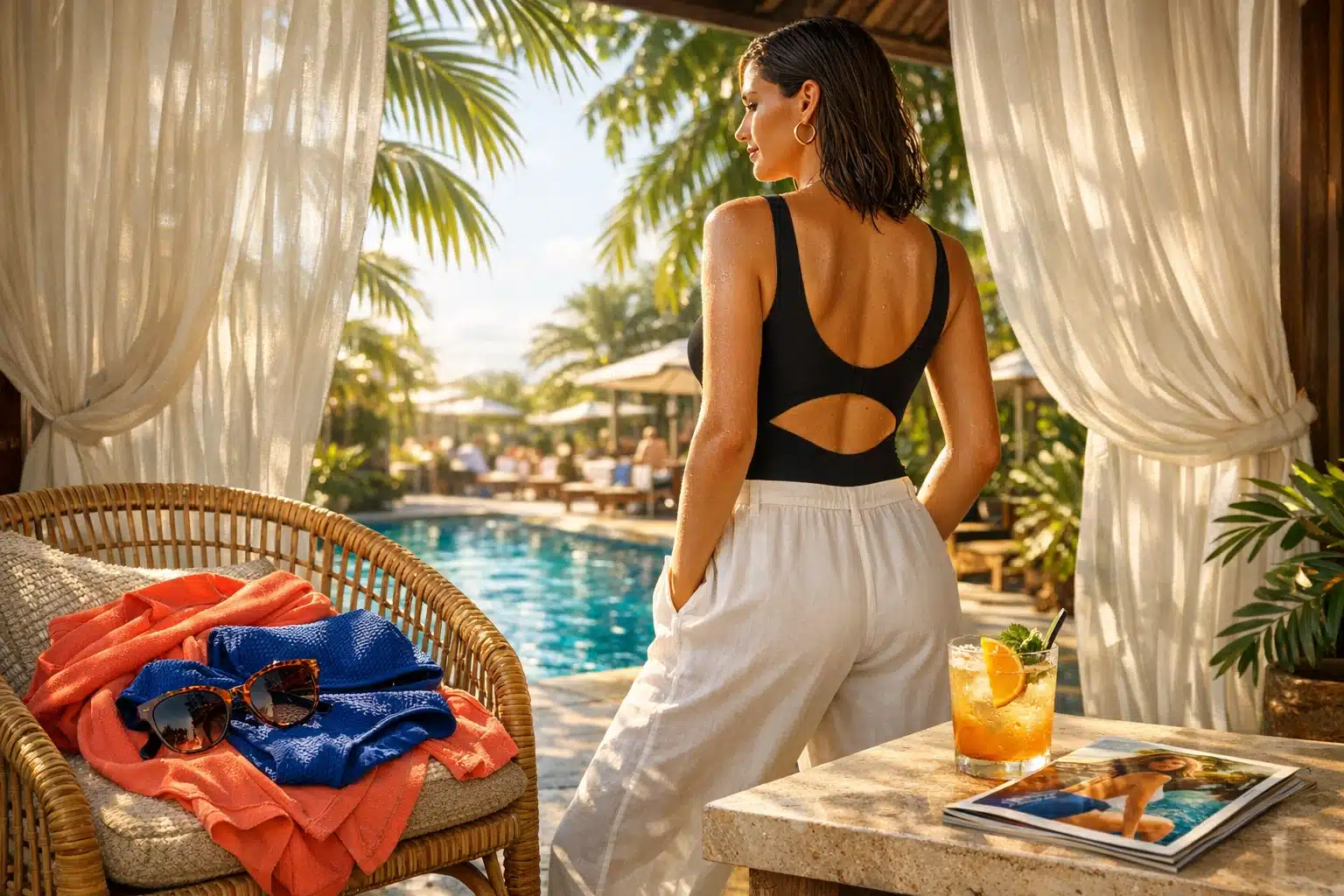
Naughty Swim Suits for Women: Styles, Fit Tips, and Shopping Advice
Swimwear has become more than a practical layer for the beach; it now sits at the crossroads of fashion, confidence, and personal expression. “Naughty” swimsuits, whether playful, daring, or sharply cut, appeal to women who want a bolder look without losing comfort or control. Understanding these styles matters because the right suit can flatter the body, suit the setting, and prevent expensive shopping mistakes. This guide explores the main looks, fit details, fabric choices, and buying tips worth knowing before you head for the water.
Outline
- What the term “naughty” usually means in women’s swimwear today
- The main swimsuit styles in this category and how they differ
- Fit, support, and proportion tips for choosing a flattering suit
- Fabric, construction, and comfort factors that affect real wear
- Shopping advice, care tips, and a final checklist for confident buyers
Understanding What “Naughty” Means in Modern Women’s Swimwear
The phrase “naughty swim suits” can sound provocative, but in everyday fashion language it usually points to styling rather than anything explicit. Most often, it describes swimwear that is flirtier, more daring, or more revealing than classic beach basics. That may mean a higher leg line, a deep neckline, strategic cut-outs, cheekier rear coverage, lace-up sides, metallic rings, or a one-piece that behaves almost like a bikini in disguise. In other words, the mood is playful and attention-aware, not automatically impractical.
This matters because many shoppers approach these suits with mixed expectations. Some imagine they will be uncomfortable or impossible to wear outside a private resort. Others assume a bold-looking piece will instantly feel empowering. Reality sits somewhere in between. A “naughty” swimsuit can be elegant, athletic, glamorous, retro, or minimalist depending on its construction. A clean black one-piece with side cut-outs tells a different story from a neon string bikini, even if both fall under the same broad label. The distinction lies in how much skin is shown, how the fabric frames the body, and whether the details read more fashion-forward than purely functional.
Context also shapes the meaning of the style. A cheeky bottom may feel normal on a fashion beach in Miami, Ibiza, or Mykonos, yet seem out of place at a family pool, a school event, or a quiet spa. The same suit can look bold in one setting and completely routine in another. Social norms, travel destination, age range of the crowd, and planned activity level all influence whether a design feels fun, polished, or excessive.
There is also a practical reason the category keeps growing. Swimwear has followed the wider trend toward self-styling. Consumers no longer shop only for coverage; many now shop for silhouette, mood, photos, and versatility. A suit may be chosen because it can double as a bodysuit under linen trousers or a wrap skirt after swimming.
- Higher cuts tend to elongate the look of the legs.
- Cut-outs can create shape and visual definition around the waist.
- Cheekier backs often reduce tan lines but offer less movement security.
- Decorative hardware adds style, though it can heat up quickly in the sun.
Seen this way, “naughty” is less a fixed category and more a styling dial. Some women turn that dial slightly with a tasteful plunge front; others go further with side ties and strappy details. The smart approach is to separate the label from the actual design, then judge whether the suit fits your comfort level, your destination, and your reasons for buying it.
Popular Naughty Swimsuit Styles and How They Compare
Once you move past the label, the category opens into several distinct style families. Each one creates a different visual effect and serves a different kind of wearer. The classic string bikini remains one of the most recognizable options. It is adjustable, lightweight, and usually ideal for tanning because the straps and panels are minimal. Its downside is predictability during movement. A windy beach walk, a swim in choppy water, or a poolside volleyball game can quickly reveal whether the ties are decorative or dependable.
Cheeky bikinis are another common choice. These often have fuller front coverage with a more abbreviated back, making them feel more secure than string styles while still delivering a bold look. High-leg cuts are especially popular here because they visually lengthen the lower body and create a sharp, editorial line. However, high-leg silhouettes sit differently on every torso. On some women they look statuesque; on others they ride too high and need constant adjustment.
Then there is the cut-out one-piece, a category that deserves more respect than it sometimes gets. A well-designed one-piece can be one of the most flattering and versatile swimsuits in the entire market. It offers shape through structure while still revealing skin in targeted places. Side cut-outs can emphasize the waist, front cut-outs can modernize an otherwise simple design, and asymmetrical shoulder lines can make the piece look more like fashion than swim basics. It is the swimsuit equivalent of a wink across the room: subtle enough to stay refined, bold enough to be remembered.
Monokinis sit close to this group but often go further with dramatic open sections connecting the top and bottom. They can create striking visual lines, yet the fit must be more exact because the connecting panels determine how tension is distributed across the torso. If those panels pull too tightly, the whole suit feels off-center.
Other recurring styles include:
- Underwire bikinis, which add lift and shape for fuller busts
- Thong or very cheeky bottoms, often chosen for tanning or trend appeal
- Wrap-front suits, which create softness and adjustability through the torso
- Strappy designs, which photograph well but can leave more complex tan lines
- Ribbed or textured sets, which look elevated even in simple cuts
When comparing styles, ask not only “How daring is this?” but also “What job will this suit do?” A pool-party look may prioritize shape and drama. A vacation suit may need to transition from swim to lunch. A tanning suit might trade support for minimal lines. The best choice depends less on trend intensity and more on whether the design matches the setting, the body, and the wearer’s actual day.
Fit Tips That Make Bold Swimwear Look Better and Feel Easier
Fit is where a great idea either becomes a favorite swimsuit or turns into a return label. Bold swimwear usually has less margin for error than classic full-coverage designs, so small mistakes become obvious quickly. A top that shifts one inch too far, a bottom that cuts at the wrong point, or a torso length that pulls upward can make an expensive suit feel awkward within minutes. The goal is not perfection in a dressing-room mirror; the goal is reliable comfort while standing, sitting, walking, and swimming.
Start with the bust area. Women with fuller busts often benefit from underwire, molded cups, wider straps, stronger side seams, and adjustable back closures. Triangle tops can work, but they need enough fabric coverage and a tie system that does more than look pretty. For smaller busts, minimal cuts may sit beautifully, and details like ruching, ring accents, or balconette shaping can add dimension without forcing support that is not needed.
Torso length matters just as much. One-pieces, monokinis, and suits with fixed straps often fit differently on long-torso and short-torso bodies. If a suit feels like it is pulling downward at the shoulders and upward at the hips, the torso is likely too short for you. If the center panel wrinkles or gaps, it may be too long. That single measurement explains why one woman slips into a dramatic cut-out suit and looks instantly polished, while another spends all afternoon tugging at the same design.
Bottom coverage is another important decision, not a moral one but a functional one. Cheekier cuts can look fantastic, yet they should stay in place when you bend, walk, or climb pool steps. A well-cut cheeky bottom frames the body; a poorly cut one migrates. Seam placement, elastic tension, and rise height all influence the result.
- Check whether straps are adjustable or fixed.
- Look for double lining in lighter colors and white fabric.
- Test the suit by lifting your arms, sitting down, and turning sideways.
- Read size charts instead of assuming your dress size will translate perfectly.
- If between sizes, decide whether you need more support, more coverage, or less compression.
Body-proportion tricks can also help. High-waist bottoms can smooth the midsection and create a vintage-meets-modern shape. A high-cut leg often lengthens the appearance of shorter legs. Diagonal lines and wrap effects can make the waist look more defined. Dark solid shades usually read sleeker, while bright prints and shine fabrics draw the eye exactly where they are placed.
Perhaps the best test is emotional as much as technical: if you put on a daring suit and immediately start negotiating with it, it is probably not the right one. The right fit should let you feel present, not preoccupied.
Fabric, Construction, and Wearability Beyond the Mirror
Many swimsuit disappointments begin not with style but with materials. A suit may look exceptional under soft changing-room lighting and then lose its charm after one salty afternoon, two pool sessions, and a hasty rinse in the hotel sink. That is why fabric composition and construction deserve almost as much attention as the cut itself. In broad terms, most swimwear blends nylon or polyester with elastane. Nylon blends tend to feel softer and smoother, while polyester blends are often valued for stronger resistance to chlorine and fading. Neither is automatically better; the best option depends on where and how the suit will be used.
For vacation wear that includes lounging, beach clubs, and short swims, softness and drape may matter most. For frequent lap swimming or repeated hot-tub and pool exposure, durability becomes more important. Chlorine is especially tough on elastane over time, which is why performance-oriented suits often emphasize higher chlorine resistance. If your idea of summer includes more cannonballs than cabanas, construction quality should move to the top of your checklist.
Lining is another factor that separates a confident purchase from a risky one. A lined suit generally offers better opacity, smoother support, and a more finished shape. This is particularly important in white, pale pastel, crochet-look, or very bright neon styles, all of which can behave differently once wet. Seam quality matters too. Clean stitching, flat seams, secure elastic, and reinforced tie points are signs that the suit was designed for actual use rather than only for product photos.
Useful details to check include:
- UPF-rated fabric, especially if long sun exposure is likely
- Removable versus fixed cups, depending on your support preference
- Metal hardware that will not rust or overheat easily
- Textured fabric that can add grip and visual depth
- Secure closures on bandeau or one-shoulder designs
Comfort also changes when the suit is wet. Some fabrics relax; others cling more firmly. Ribbed textures can feel luxe and forgiving, while very thin shiny materials may reveal every tension line. Cut-outs can look incredible but may leave unusual tan shapes. Strappy backs can distribute weight beautifully, yet they also complicate sunscreen application and tan lines. Even the most glamorous suit lives in the real world, where sunscreen, salt, chair edges, and repeated rinsing all leave their mark.
Think of good construction as silent confidence. It does not shout from across the pool, but it supports the entire experience. When the fabric rebounds properly, the lining stays smooth, and the seams hold their place, bold design stops feeling risky and starts feeling effortless.
Shopping Advice and a Final Takeaway for Women Choosing a Bold Swimsuit
Shopping for a naughty swimsuit is easiest when you treat it like a strategy exercise instead of a mood purchase. That does not mean removing fun from the process; it means pairing instinct with a few grounded decisions. First, define the setting. Are you buying for a tropical holiday, a honeymoon, a resort pool, a rooftop party, a tanning day, or regular beach use? A dramatic lace-up bikini may be perfect for reclining with a cold drink under a striped umbrella, yet far less practical for chasing children through the surf or swimming laps before breakfast.
Online shopping offers huge variety, but it demands careful reading. Product photos can be styled with clips, ideal lighting, and camera angles that hide how minimal a bottom really is. Read fabric descriptions, review comments, and size notes with patience. Look for customer photos when available, especially from reviewers who mention similar proportions, bust size, height, or torso length. If the return policy is strict, the price needs to justify the risk. In-store shopping gives immediate clarity on fit, though selection may be narrower. The strongest approach is often a mix of both: learn your shape and preferred brands in person, then use online variety more confidently later.
Budget matters, but value matters more. A cheaper suit that twists, goes sheer when wet, or loses stretch after a weekend is rarely a bargain. A moderately priced piece with good lining, adjustable hardware, and reliable stitching often serves better than a flashy bargain buy. If you want one standout swimsuit rather than a drawer full of mediocre ones, spend where it counts: fabric, support, and fit consistency.
- Choose the destination before choosing the drama level.
- Prioritize support if you will wear the suit for hours rather than minutes.
- Buy the size that fits your body now, not the one attached to a hopeful plan.
- Rinse swimwear after use and avoid wringing it harshly.
- Rotate suits on vacation so elastic has time to recover.
For the target audience here, the best bold swimsuit is not the smallest one, the loudest one, or the most expensive one. It is the suit that aligns with your confidence, your movement, and your setting. If a design makes you feel composed, attractive, and unbothered by constant adjustment, it has done its job. Shop with a clear eye, trust fit over fantasy, and let the final choice feel like an extension of your style rather than a costume you have to manage all day.