Guide to 3 Best Hotels for Foreigners
Introduction and Outline: What Foreigners Really Need From a Hotel
Booking a hotel in another country is rarely just about finding a bed for the night. Foreign travelers often have to think about language barriers, airport transfers, late arrivals, payment verification, local taxes, and whether the front desk will understand a passport-based check-in. A genuinely foreigner-friendly hotel can reduce that friction, turning a stressful landing into a smooth start and making the rest of the trip feel far more manageable.
That is why the topic matters. A hotel can shape a traveler’s first impression of a destination more than a museum, restaurant, or skyline ever could. After a long flight, people do not want puzzles. They want clear directions, familiar payment options, understandable policies, and staff who can answer practical questions without confusion. For foreigners, “best” does not always mean the most luxurious or the most expensive. In this guide, the phrase points to hotels that are especially practical for international guests because they combine accessibility, reliable service, strong transport links, and a booking experience that feels transparent rather than mysterious.
This article follows a simple structure so readers can move from broad understanding to specific choices. The outline is straightforward:
– first, a look at why foreigner-friendly hotel features matter
– then, three hotel examples in major international cities
– finally, a focused section on how foreigners should book hotels to avoid common mistakes
The three hotels chosen here are editorial examples, not an official global ranking. They represent different styles of travel and three cities that receive large numbers of international visitors: Tokyo, London, and Singapore. Each property stands out for reasons that matter on the ground, such as multilingual communication, transit convenience, neighborhood logic, and predictable service. This approach is more useful than a flashy list that praises chandeliers and infinity pools without telling travelers how easy it is to check in at midnight with a passport and a tired brain.
If you are planning your first overseas trip, or even your fifteenth, the same principle still applies: a hotel should make a destination easier to understand. When it does that well, the city seems to open up. Streets feel less intimidating, transport feels more usable, and even the small rituals of travel, from breakfast to Wi-Fi login, become one less thing to worry about. That is the standard used throughout this guide.
1. Hotel Gracery Shinjuku, Tokyo: A Practical Choice for First-Time Visitors to Japan
Tokyo can feel thrilling and overwhelming in the same breath. It is one of the world’s great cities, but it also asks visitors to process train lines, station exits, neighborhood names, etiquette differences, and room sizes that may be smaller than what many international travelers expect. In that context, Hotel Gracery Shinjuku is a sensible and frequently recommended option for foreigners because it solves several common problems at once. It is located in Shinjuku, one of Tokyo’s best-connected districts, and that single detail already gives it a major advantage. From here, travelers can move toward major shopping areas, business zones, nightlife spots, and onward rail connections without wasting time on complicated transfers.
One of the hotel’s strengths is familiarity without blandness. Many foreign guests want a place that feels distinctly Japanese while still being easy to navigate. Hotel Gracery Shinjuku manages that balance well. The check-in experience is generally organized, the property is used to international guests, and the surrounding area offers everything from convenience stores and restaurants to train access and late-night food. The famous Godzilla-themed exterior detail adds personality, but the real value lies in the hotel’s usability. Travelers arriving with luggage, jet lag, and a phone battery under pressure tend to appreciate straightforward logistics more than visual drama.
There are trade-offs, and they are worth stating clearly. Rooms in Tokyo are often compact, and this hotel is not an exception. Foreign travelers who are used to larger North American or Middle Eastern hotel rooms may find the layout tight, especially for longer stays or multiple suitcases. Yet that is where expectations matter. Compared with some ultra-budget options, the hotel offers a more polished and internationally approachable experience. Compared with premium luxury hotels, it is more grounded and often easier to justify for travelers who want location and efficiency rather than formal grandeur.
A few reasons it works especially well for foreigners include:
– strong access to public transportation
– a district that many first-time visitors already research before arrival
– a property style that feels organized and travel-friendly
– nearby dining and shopping choices that reduce planning stress
In short, Hotel Gracery Shinjuku is a good example of a hotel that helps international travelers settle into Japan without unnecessary friction. It does not promise to erase every challenge of navigating Tokyo, but it gives guests a reliable base in a city where that kind of certainty is worth a great deal.
2. citizenM Tower of London, London: Efficient, Central, and Easy to Navigate
For foreigners visiting London, location can either simplify the entire trip or drain energy from it. London is rich in landmarks, neighborhoods, and transport options, but it is also a city where staying in the wrong place can turn every day into a chain of long Underground rides and expensive taxis. citizenM Tower of London stands out because it addresses that problem immediately. Positioned near Tower Hill and within easy reach of major transit connections, it gives international travelers a base that feels both central and understandable. That matters more than it might seem. When visitors can step outside and orient themselves quickly, the city becomes more welcoming.
citizenM’s style is modern, compact, and technology-driven. That model suits many foreign travelers, especially solo visitors, couples, and business guests who care less about traditional hotel formality and more about convenience, comfort, and a predictable process. Self-service elements, efficient room design, and common areas with a lively but controlled atmosphere create a stay that feels contemporary rather than ceremonial. For some guests, that is a real relief. Not everyone wants an elaborate lobby conversation when they are arriving after a delayed international flight. Sometimes speed is luxury.
The hotel compares favorably with older mid-range London properties that may have charm but can also come with tiny lifts, uneven room quality, confusing layouts, or a tired décor that photographs better than it feels in person. citizenM takes a different route. It is more standardized, and that consistency is part of its appeal. Foreign travelers often value clear expectations: functional Wi-Fi, smooth check-in, sensible workspaces, comfortable beds, and public spaces where they can recharge without feeling out of place. This is especially useful for guests balancing sightseeing with remote work or business meetings.
Its strengths can be summed up in practical terms:
– an easy-to-understand location for first-time London visitors
– proximity to public transport and recognizable landmarks
– a contemporary guest experience with fewer unnecessary formalities
– room design that prioritizes function over excess
Of course, no hotel fits every traveler. Guests seeking large rooms, traditional luxury service, or a highly local boutique atmosphere may prefer another property. Still, for foreigners who want a dependable, stylish, and centrally placed London hotel, citizenM Tower of London makes a strong case. It reflects a useful truth about international travel: the best hotel is often the one that lets you spend less time decoding logistics and more time actually enjoying the city outside the window.
3. JEN Singapore Orchardgateway by Shangri-La: Smooth Booking and a City That Welcomes Global Travelers
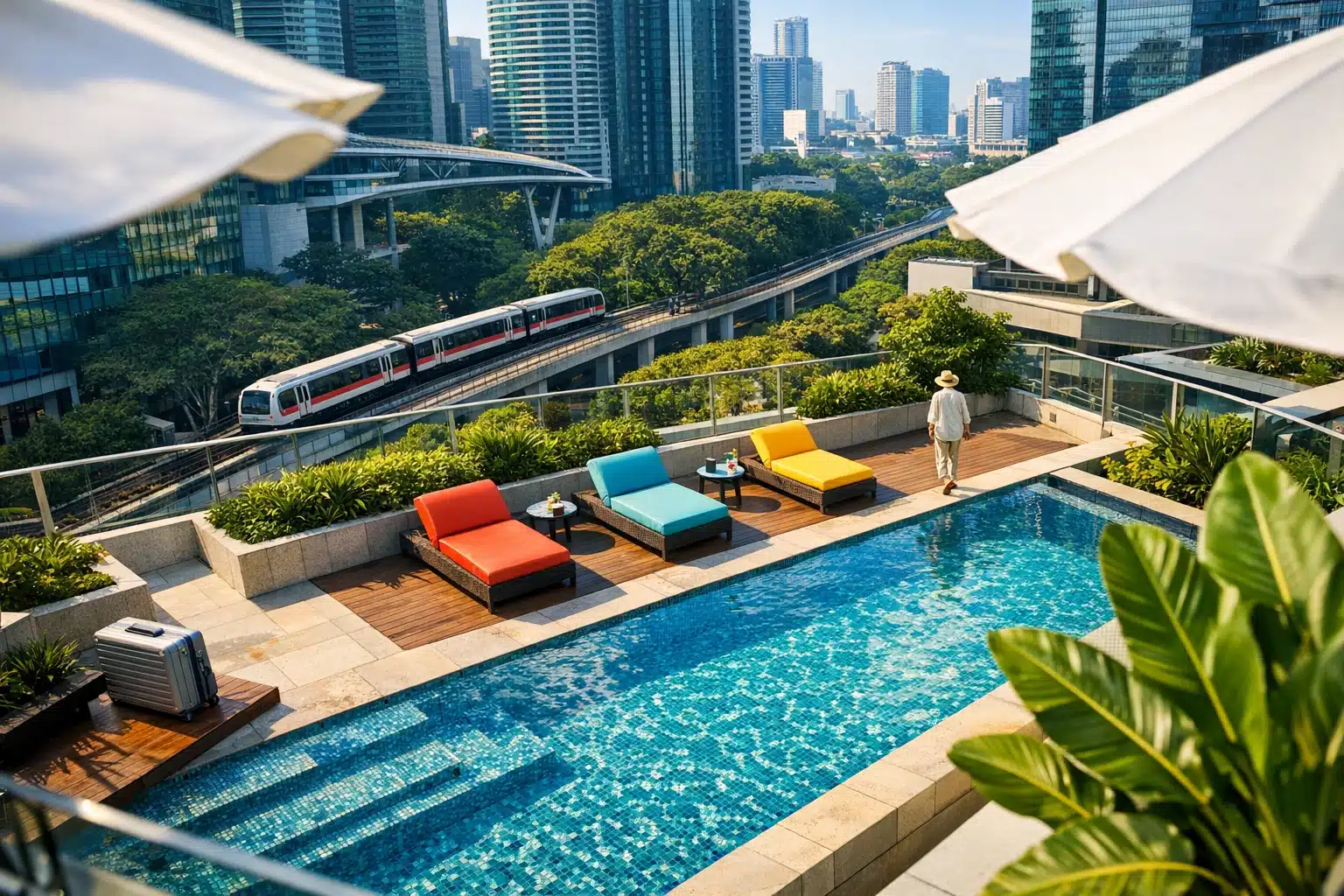
Singapore is often one of the easiest cities in Asia for foreigners to navigate, and that is exactly why a hotel like JEN Singapore Orchardgateway by Shangri-La deserves attention in this guide. The city is clean, well-organized, multilingual, and highly connected, which already lowers the stress level for international visitors. A hotel that takes full advantage of those city strengths can feel almost like a travel shortcut, and JEN does that well. Its Orchard Road location places guests in one of Singapore’s best-known districts, where shopping, dining, urban transport, and everyday convenience all meet within a compact and practical area.
What makes this property especially attractive for foreigners is not just brand recognition or polished presentation. It is the combination of dependable service standards and a highly usable location near public transport. For travelers unfamiliar with local geography, direct access to clear transit routes can make a larger difference than luxury amenities. Singapore’s MRT system is efficient, and staying close to it means visitors can move between neighborhoods, attractions, business districts, and food areas without much confusion. That is a major advantage for short stays, family trips, or work travel with limited time.
Compared with some boutique hotels that may offer more character but fewer practical comforts, JEN tends to appeal to travelers who want clarity. The booking process is usually straightforward, the service style is familiar to international guests, and the surrounding district provides enough activity that even a first evening in the city feels manageable. There is a particular kind of pleasure in landing somewhere new and realizing that dinner, transport, a pharmacy, and a convenience store are all within easy reach. It gives travelers confidence quickly, and confidence is one of the most underrated amenities in hospitality.
Its foreigner-friendly strengths include:
– a central district known to many international visitors
– easy access to transportation and everyday services
– service standards that are generally predictable for global travelers
– a setting that works for leisure, family, and business trips alike
If Hotel Gracery Shinjuku suits travelers who want organized access to a complex megacity, and citizenM Tower of London suits those who value efficient urban design, JEN Singapore Orchardgateway fits the visitor who wants balance. It offers comfort without unnecessary complication. For foreigners, that balance can turn a good trip into a remarkably smooth one, especially in a city that already rewards careful planning with effortless movement.
How Foreigners Should Book Hotels Smartly: Final Takeaways and Conclusion
Choosing a hotel is only half of the job. Booking it correctly is what protects your budget, schedule, and peace of mind. Foreign travelers face a few specific risks that domestic travelers may not think about as often: card verification problems, currency conversion surprises, city taxes added at check-in, passport requirements, transfer confusion, and cancellation policies written in dense language. The safest approach is to treat booking as a short research process rather than a five-minute transaction. A little patience before payment often prevents a great deal of inconvenience later.
Start by comparing three things at the same time: the hotel’s direct website, a major online travel agency, and recent guest reviews. Prices may differ because of taxes, breakfast inclusion, loyalty discounts, or cancellation terms. A room that looks cheaper on one platform may become more expensive once service fees or non-refundable conditions appear. Foreigners should also check whether the hotel accepts their payment card, whether a security deposit is held at check-in, and whether the total is shown in local currency or converted into a home currency at an unfavorable rate. These details are not glamorous, but they matter.
A practical booking checklist looks like this:
– confirm the exact cancellation deadline and time zone
– check whether taxes, resort fees, or city charges are included
– verify passport requirements for all guests
– ask about late check-in if your flight lands at night
– confirm airport transfer details if offered
– read recent reviews for comments on staff communication and cleanliness
Foreign travelers should also pay attention to neighborhood logic, not just star ratings. A cheaper hotel far from transit may cost more in time and transport. A stylish property with vague reviews about noise or poor communication may look tempting online but prove frustrating in real life. This is where the three hotels in this guide offer a useful lesson. Each one reduces uncertainty in a different way: Tokyo through reliable district access, London through efficient centrality, and Singapore through clarity and transport ease. None of them is perfect for every traveler, but all three show what foreigner-friendly hospitality looks like when it is done well.
In conclusion, the best hotel for a foreign visitor is usually the one that removes friction from the journey. If you are traveling abroad, prioritize clear policies, location, transport access, understandable service, and recent reviews over flashy promises. A smart booking decision gives you more than a room key; it gives you a steadier start, better daily rhythm, and fewer unpleasant surprises. For foreigners trying to make the most of limited travel time, that is not a small benefit. It is often the difference between merely staying somewhere and truly settling into the destination.