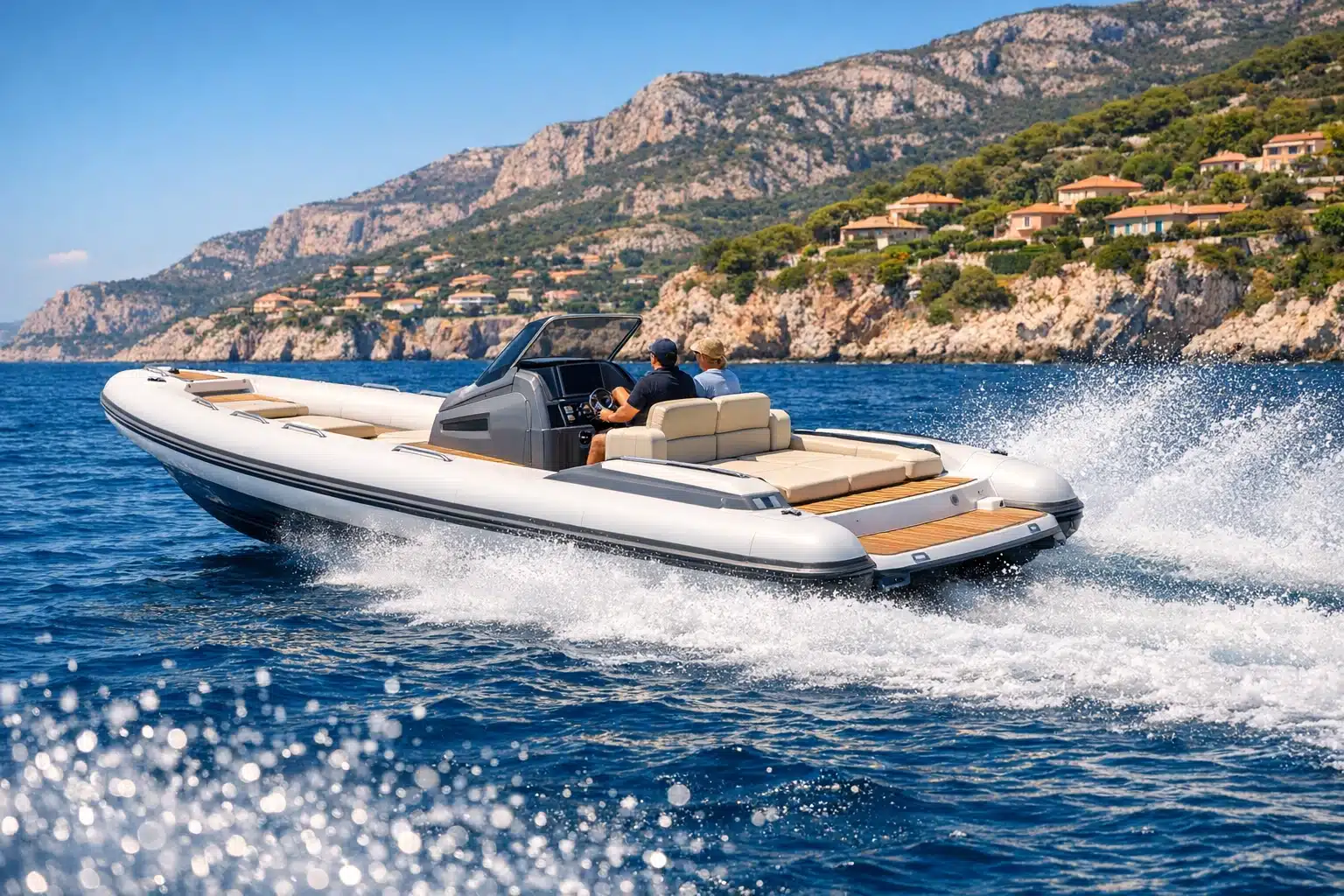
 Artificially generated image
 Inflatable Yacht Guide: Features, Uses, and Buying Tips
Inflatable yachts sit at an interesting crossroads between portability and premium boating, offering a practical route onto the water without the burden of a heavy permanent hull. They matter because many buyers want simpler storage, lighter towing, and more freedom to switch between cruising plans. From compact tenders to polished rigid inflatable craft, the category now covers far more than basic dinghies. A clear understanding of construction, use cases, and buying trade-offs can save money, improve safety, and make every trip more enjoyable.
Outline
- What an inflatable yacht is and how the term is used
- Key construction features, materials, and performance traits
- Common uses, strengths, and practical limitations
- Buying tips, comparisons, and budget planning
- Maintenance, storage, and final advice for different kinds of owners
1. What Is an Inflatable Yacht and Why Has It Become So Relevant?
The phrase inflatable yacht sounds a little contradictory at first. One word suggests luxury and range, while the other suggests portability and simplicity. In practice, the term is used loosely across the boating market. It can describe a premium inflatable tender carried by a larger yacht, a rigid inflatable boat with upscale seating and finishes, or a larger leisure-focused inflatable craft designed for comfortable coastal outings. Understanding that range is the first step to making sense of the category.
At the entry level, many buyers encounter soft-bottom inflatable boats or air-deck models. These are compact, light, and often easy to pack into a car trunk or store in a garage. At the more advanced end are rigid inflatable boats, often shortened to RIBs. These combine inflatable tubes with a solid hull, usually fiberglass or aluminum, giving them sharper handling, better load carrying, and higher speed potential. When brands and sellers use the term inflatable yacht, they are often referring to the premium side of that spectrum, where the boat includes yacht-like comfort features such as sun pads, elegant consoles, higher-end upholstery, navigation equipment, and space for day cruising.
The rising popularity of these boats is not hard to explain. Traditional yachts and cabin cruisers can be expensive to berth, fuel, maintain, and tow. By contrast, an inflatable craft can reduce several of those ownership pressures. Even larger RIB-style models are generally lighter than similarly sized hard-hulled leisure boats. That weight difference can make trailering easier and can lower the horsepower needed for acceptable performance, depending on the hull design and intended use.
There is also a lifestyle shift behind the trend. Many boaters no longer want one vessel that does everything poorly. They want a specialized craft that fits weekend use, coastal exploration, diving, beach landings, or tender duty. Inflatable yachts answer that demand surprisingly well. They are stable at rest, forgiving around docks thanks to the air tubes, and often easier to board from a beach than a deeper fiberglass boat.
A few broad advantages explain their relevance:
- Good buoyancy relative to size
- Comfortable side tubes that improve stability
- Simpler storage options for some models
- Practical versatility for families, yacht owners, and adventure users
- Lower visual and physical bulk than many traditional boats
That said, the term should never be treated as a guarantee of luxury or offshore ability. Some products are little more than upgraded inflatables, while others are serious marine platforms with refined engineering. The smart buyer looks beyond the label and studies hull shape, fabric quality, passenger rating, intended conditions, and power compatibility. Once those details are understood, the idea of an inflatable yacht stops sounding like a novelty and starts looking like a sensible answer to modern boating needs.
2. Construction, Materials, and Performance: What Separates a Good Model from a Forgettable One?
If the first impression of an inflatable yacht is comfort, the second should be engineering. Materials and structure matter enormously in this category, because the boat’s feel on the water is shaped by more than its size. Two craft that look similar in photos can behave very differently once loaded with passengers, gear, and fuel. That is why buyers should pay close attention to fabric, hull construction, chamber layout, floor design, and the intended engine range.
The main fabric discussion usually comes down to PVC versus CSM, often called Hypalon in everyday conversation because of the older branded material that helped popularize the type. PVC is common on entry-level and midrange inflatables because it is affordable, easy to manufacture, and perfectly serviceable when the boat is stored properly. CSM-type fabrics typically cost more, but they are valued for strong resistance to UV exposure, chemicals, and temperature extremes. For boaters in hot climates or those leaving a tender outdoors for long stretches, that difference can matter over the years.
Then there is the floor and hull question. Soft-bottom and air-deck boats prioritize portability. Drop-stitch air floors create a surprisingly rigid platform when inflated to high pressure, and they have improved dramatically in recent years. Still, a rigid hull usually offers more confident handling in chop, better planing performance, and a more secure feel at higher speeds. Aluminum hull RIBs are often chosen for toughness and lower maintenance concerns around beaching. Fiberglass hull RIBs tend to offer smoother shaping, refined aesthetics, and sometimes a more polished ride, especially in premium leisure models.
Performance depends on several design choices:
- Tube diameter, which affects buoyancy and stability
- Hull shape and deadrise, which influence comfort in waves
- Boat weight, which changes towing and fuel demands
- Engine match, which determines acceleration and top-end behavior
- Load distribution, which affects trim and efficiency
Most quality inflatables use multiple independent air chambers. This is not just a selling point; it is a practical safety feature. If one chamber loses pressure, the others still provide flotation. Well-designed tube placement also gives these boats a stable, confidence-building platform for boarding, fishing, or moving around at anchor. That stability is one reason RIBs are so widely used in rescue, patrol, and support roles around the world.
Comfort features deserve attention too. Premium models may include integrated fuel tanks, hydraulic steering, bolstered helm seats, swim ladders, teak-style deck surfaces, freshwater showers, and sun lounging areas. These additions can transform a basic utility boat into a capable day cruiser. Still, every added feature increases weight, complexity, and price. The best inflatable yacht is not the one with the longest equipment list. It is the one whose build quality, material choices, and performance envelope actually fit the owner’s conditions, storage setup, and habits on the water.
3. Real-World Uses: Who Buys an Inflatable Yacht, and What Does It Do Best?
An inflatable yacht earns its place not by looking impressive at the dock, but by being genuinely useful once the lines are cast off. One of the biggest strengths of the category is that it serves very different owners for very different reasons. A couple living near the coast may want a compact day boat for hidden coves and lunch stops. A sailing yacht owner may need a reliable tender that can carry guests ashore in comfort. A dive operator may prioritize stability, deck space, and easy reboarding. The same design family can support all of those missions, although not every model suits every job.
The most classic role is tender duty. Large yachts and cruising sailboats often carry an inflatable boat because it is practical, gentle alongside a parent vessel, and easy to use at anchor. In that setting, the “yacht” part of the inflatable yacht concept becomes clearer. A premium tender may include comfortable seating, a center console, navigation lights, quality upholstery, and enough power to shuttle guests quickly between harbor, beach, and mooring. The aim is not simply transportation. It is convenience with polish.
Beyond tenders, these boats are increasingly popular as primary leisure craft. Families use them for short coastal trips, swimming outings, and watersports. Anglers appreciate the stability and the forgiving tubes when handling gear. Divers like the spacious layout and low sides for gearing up. Photographers and nature tour operators value the quiet, approachable profile and the ease of boarding from shallow shorelines. In places with seasonal boating, portability can be a major deciding factor, since some models can be stored off-site without requiring a dedicated marina berth.
Typical strengths include:
- Easy beach access compared with deeper leisure boats
- Stable boarding for children, pets, and older passengers
- Useful load carrying for gear-heavy activities
- Lower storage demands than many traditional boats
- Versatility across leisure, support, and transport roles
Still, sensible expectations matter. An inflatable yacht is not automatically a substitute for a large cabin cruiser or an offshore passagemaker. Weather protection is often limited. Storage can be modest on smaller models. Open-deck layouts are wonderful on warm days, but they offer little refuge when conditions turn cold or rough. Range depends on tank size, load, and engine efficiency, so trip planning remains important.
The most satisfied owners are usually the ones who match the boat to a clear purpose. If your dream day involves launching quickly, exploring coastal water, landing on a beach, carrying friends comfortably, and heading home without marina drama, an inflatable yacht can feel almost tailor-made. It suits people who value access over excess and practicality over ceremony. For many modern boaters, that balance is exactly the point.
4. Buying Tips and Comparisons: How to Choose the Right Inflatable Yacht Without Overspending
Shopping for an inflatable yacht is easiest when you resist the temptation to start with appearance alone. A sleek profile, premium upholstery, or a stylish console can be appealing, but the smartest purchase begins with use case, storage plan, and local conditions. Think first about where the boat will live, how often it will be launched, who will ride in it, and whether it will serve as a tender, a family day boat, or a versatile utility craft. Those answers narrow the field very quickly.
Size is the first major filter. A compact inflatable may be easy to store and launch, but limited space can become frustrating if you routinely carry four adults, coolers, and watersports gear. On the other hand, a larger RIB offers more comfort and capability, yet it may require a trailer, more powerful tow vehicle, higher engine costs, and more room at home. Buyers often underestimate the impact of practical logistics. A boat you can launch with confidence will probably be used more than a larger one that feels like a chore.
Material choice affects both budget and longevity. PVC models can be very good value, especially for seasonal or occasional use. CSM-type fabric often makes more sense for buyers facing intense sun, frequent saltwater exposure, or long ownership horizons. Engine pairing is equally important. Underpowering can make the boat sluggish and inefficient, while overpowering is unsafe and may violate the manufacturer’s rating. Always compare the boat’s maximum horsepower rating, passenger capacity, and transom design before selecting an outboard.
Useful buying checkpoints include:
- Check the maximum passenger and load rating
- Inspect seam quality, valve design, and rub strakes
- Ask about floor type and recommended inflation pressure
- Compare hull material, steering system, and fuel setup
- Review warranty terms for tubes, hull, and accessories
- Confirm trailer, cover, and electronics costs separately
Price spans can vary widely. A smaller roll-up or air-deck model may start in the lower thousands or below, while well-equipped rigid inflatables often move into the mid-thousands or beyond. Premium leisure RIBs with luxury finishes, larger engines, and branded electronics can cost dramatically more. The key is to compare total ownership cost rather than sticker price alone. A cheaper boat with weak fittings, thin fabric, or poor dealer support may prove more expensive in frustration and repairs.
The used market can offer real value, but inspection matters. Look for patchwork, discoloration, brittle surfaces, soft transoms, damaged hull sections, and signs of chronic underinflation. If possible, request a sea trial. A quick outing can reveal trim issues, steering stiffness, vibration, or poor weight balance that photos will never show. Buy with your eyes, but also buy with a checklist. In this category, careful comparison is not dull; it is the difference between a clever investment and a costly compromise.
5. Maintenance, Storage, and Final Advice for Future Owners
Buying the right inflatable yacht is only half the story. The long-term experience depends on maintenance habits, storage choices, and the realism of the owner’s expectations. The good news is that upkeep is usually manageable. The less cheerful truth is that neglect shows up quickly in inflatable boats, especially when sunlight, salt, and improper pressure are allowed to do their slow work. A little routine care preserves appearance, safety, and resale value far more effectively than occasional heroic repairs.
Start with cleaning. After saltwater use, a freshwater rinse helps remove residue from tubes, fittings, and deck surfaces. Mild marine-safe soap can handle sunscreen marks, grime, and fish residue without being harsh on coatings. Avoid aggressive household chemicals unless the manufacturer specifically approves them. Tube pressure should also be checked regularly, since temperature shifts can change firmness noticeably. An underinflated boat may feel sluggish and unstable, while overinflation in hot weather can stress seams and valves.
Storage strategy matters just as much as cleaning. If the boat will remain outdoors, a quality cover reduces UV exposure and keeps fittings from aging prematurely. If it will be deflated, make sure it is completely dry before packing to limit mildew and odor. RIB owners should also think about hull support on trailers or stands, because poor support can place unnecessary strain on the structure over time. Engines, batteries, and fuel systems need their own seasonal attention, especially in colder climates or long off-season periods.
Practical ownership habits worth keeping include:
- Rinse after use and dry thoroughly before long storage
- Monitor tube pressure with a proper gauge
- Inspect seams, valves, and handles for early wear
- Use UV protectant products approved for marine fabrics
- Carry a repair kit, pump, and essential safety gear
- Service the outboard on schedule and stabilize fuel when needed
For the target audience, the final question is simple: does this type of boat fit the way you actually spend time on the water? If you want a low-drama platform for coastal exploration, tender duty, family outings, diving, or beach access, an inflatable yacht can be an excellent choice. If you need enclosed overnight comfort, large storage lockers, or serious offshore cruising range, another boat style may serve you better. The right answer is not about status. It is about fit.
In summary, inflatable yachts reward buyers who value flexibility, efficiency, and practical design. They can deliver impressive comfort and capability in a lighter, friendlier package than many first-time shoppers expect. Focus on material quality, realistic sizing, safe power matching, and ongoing care, and you will be far more likely to end up with a boat that earns its place season after season. For modern owners who want boating to feel more spontaneous than burdensome, that is a very attractive proposition.