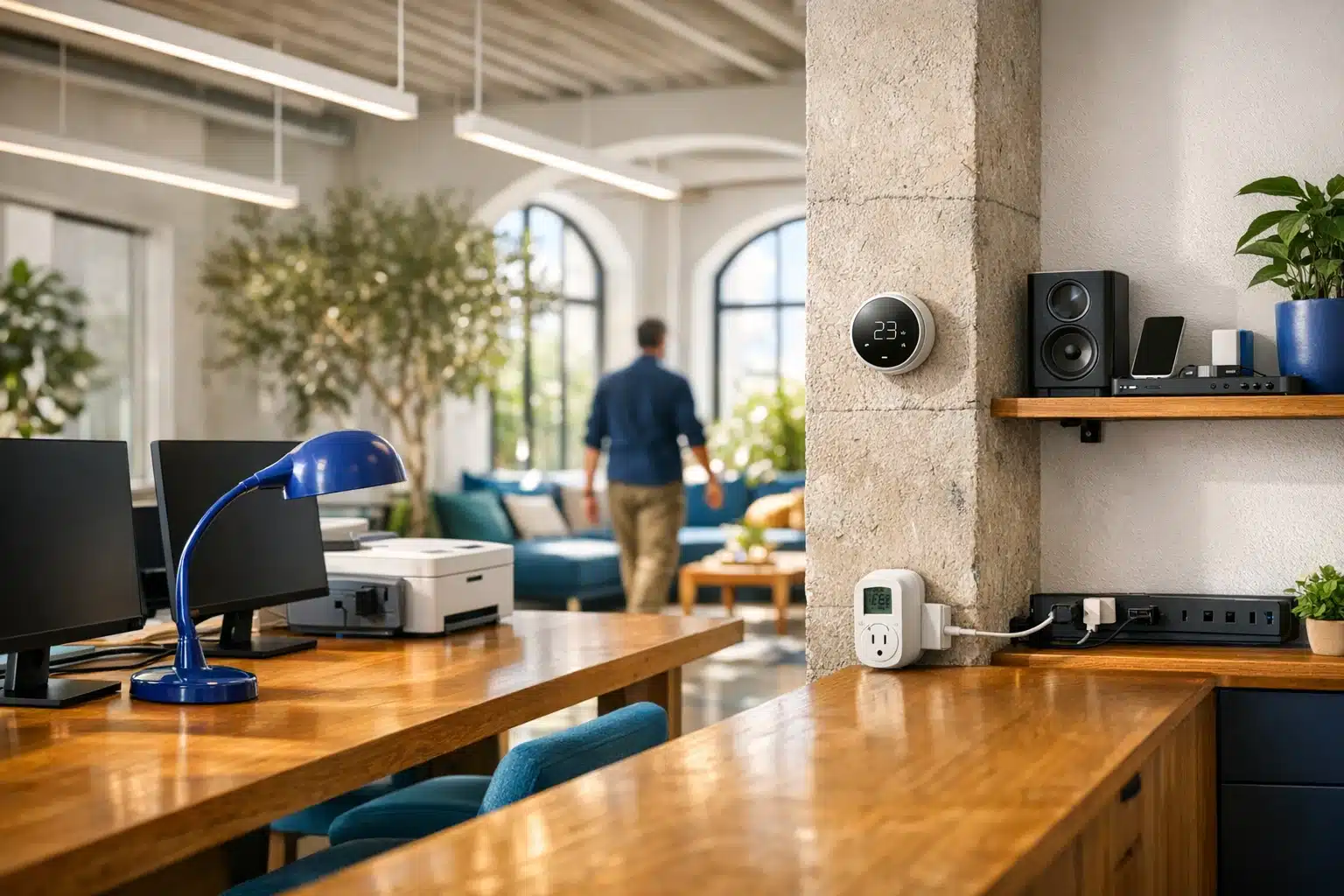
Smart Energy Saving Devices: A Practical Guide to Reducing Power Use
Saving energy no longer means living in the dark or micromanaging every appliance by hand. A growing mix of simple devices and smarter connected tools can trim waste, lower utility bills, and make homes feel more responsive at the same time. From LED lighting to learning thermostats, the modern market offers solutions for renters, homeowners, and small offices with very different budgets. The trick is knowing which products solve real problems and which merely add another glowing app icon to your phone.
This article begins with a practical outline and then develops each topic in depth. It looks first at traditional energy saving devices, then at smart versions that add automation and data, followed by room-by-room applications, cost and value comparisons, and a final action-focused conclusion for readers who want results without unnecessary complexity.
- How energy saving devices reduce electricity and fuel use
- What makes a device smart, and when smart features are genuinely useful
- Where different devices work best in a home or small office
- How to compare savings potential, setup effort, and payback time
- How to build an energy-saving plan that matches real habits
Understanding Energy Saving Devices: The Basics Behind Lower Power Use
Energy saving devices come in many forms, but they usually work in one of three ways: they reduce the amount of energy needed to perform a task, they prevent waste when equipment is idle, or they control when and how power is used. That sounds technical, yet the principle is simple. Electricity is expensive when it is doing nothing useful, whether that means a light glowing in an empty hallway or a television quietly sipping power all night in standby mode.
Traditional energy saving devices are often the most reliable starting point because they do not depend on apps, wireless signals, or complicated setup. LED bulbs are the classic example. Compared with old incandescent bulbs, LEDs typically use about 75 percent less electricity and last far longer, often many years in normal household use. A timer switch is another straightforward device: it does not learn your behavior, but it can stop a porch light, space heater, or ventilation fan from running longer than necessary. Motion sensors work in a similar spirit by turning lights on only when someone is present, making them especially useful in garages, stairwells, storage rooms, and bathrooms.
Advanced power strips also belong in this category. Many homes contain clusters of electronics such as televisions, game consoles, printers, routers, chargers, and speakers. Individually, each device may draw only a small amount of standby power. Together, however, these “tiny leaks” can add up over a year. Energy agencies and utility programs often estimate that standby consumption may account for roughly 5 to 10 percent of household electricity use, depending on the number of plugged-in devices and user habits. A well-designed power strip can cut this waste by shutting off peripheral devices when a main device is turned off or by cutting power on a schedule.
Not every product marketed as an energy saver deserves equal trust. Some devices make vague claims about dramatically lowering whole-house electricity bills without a clear explanation of how they work. In practice, the most dependable savings come from visible, understandable mechanisms:
- More efficient components, such as LED lighting or high-efficiency pumps
- Automatic shutoff through timers, occupancy sensors, or thermostatic controls
- Reduced standby load through smart or advanced power strips
- Better measurement through plug-in energy monitors
A good rule is this: if you can explain how the device saves energy in one plain sentence, it is more likely to deliver measurable value. If the explanation sounds like magic, skepticism is healthy. For most people, the strongest foundation is a mix of efficient lighting, sensible control devices, and targeted tools that address obvious waste. These products may seem unglamorous compared with a full smart home dashboard, but they often produce the quickest and most dependable gains.
What Makes an Energy Saving Device Smart, and When Does That Matter?
A smart energy saving device does more than operate efficiently on its own. It connects, measures, reacts, and sometimes predicts. The “smart” part usually comes from sensors, software, scheduling, remote control, or integration with other devices. A standard thermostat lets you choose a temperature; a smart thermostat can learn occupancy patterns, adjust settings based on time and weather, and provide reports that show when heating or cooling demand rises. In other words, the device is no longer just a switch. It becomes part observer, part traffic manager.
This added intelligence can be genuinely useful because energy waste is often caused by human inconsistency rather than bad intentions. People forget lights, overheat empty rooms, leave chargers connected, or cool a home before anyone arrives. Smart devices help by smoothing out those everyday inefficiencies. Smart plugs, for instance, can schedule a fan, coffee maker, or entertainment setup to run only at certain hours. Smart lighting systems can dim automatically, follow occupancy, or shift brightness based on daylight. Smart radiator valves can control heat room by room instead of treating the whole house as one giant climate zone.
The strongest advantage of smart devices is visibility. Many products provide app-based dashboards that show energy use by hour, day, or device. Once people see where electricity goes, behavior often changes. A family may discover that an old freezer in the garage runs more often than expected, or that a dehumidifier is consuming far more power than the lights in the rest of the room combined. Data does not save energy by itself, but it turns vague suspicion into a practical decision.
Still, smart does not automatically mean better. A connected device can save less than a basic alternative if it is badly configured or never used beyond the novelty phase. There are also trade-offs to consider:
- Setup can take time, especially with multiple apps or ecosystems
- Wi-Fi dependent devices may be less reliable during outages or router issues
- Privacy matters because usage data can reveal occupancy patterns
- Some products add convenience more than meaningful savings
Take smart thermostats as an example. In many homes, heating and cooling represent one of the largest portions of total energy use. Because of that, even modest efficiency gains can matter. Various field studies, manufacturer reports, and utility evaluations suggest savings often fall somewhere in the range of 5 to 15 percent on HVAC energy, though results vary widely with climate, insulation, occupancy, and how the device is actually used. A household with predictable schedules may benefit greatly, while a household that is occupied all day may see smaller changes.
The best way to judge smart products is to ask a practical question: does the device automate a recurring source of waste? If the answer is yes, smart features can be worth the extra cost. If the answer is no, then a simpler product may do the job just as well. Smart technology shines brightest where routines change, rooms are used unevenly, or energy-heavy systems need more precise control than a human is likely to provide every day.
Where the Biggest Savings Usually Hide: Lighting, Climate, Appliances, and Standby Loads
If you want meaningful savings, it helps to focus less on isolated gadgets and more on where energy actually goes. In many homes, the largest demands come from heating and cooling, water heating, refrigeration, laundry, cooking, and electronics that never fully sleep. The best device is often the one placed at the bottleneck, not the one with the flashiest packaging.
Lighting is the easiest place to begin because the upgrade path is so clear. Replacing incandescent or halogen bulbs with LEDs is usually one of the fastest and least disruptive improvements available. Add dimmers, motion sensors, or daylight-responsive controls, and lighting becomes even more efficient. Hallways, outdoor lights, basements, and utility rooms are especially good candidates because they are frequently left on longer than needed. A smart lighting system makes sense when schedules vary or when several family members use the same spaces unpredictably. In contrast, a simple sensor switch may be enough for a closet or laundry room.
Heating and cooling deserve the most attention because they can dominate utility bills. A smart thermostat, zoned controller, or connected radiator valve can reduce unnecessary operation, especially in homes that sit empty during work hours or have rooms used only occasionally. Ceiling fans with efficient motors can also help by improving comfort, allowing a thermostat to be set slightly higher in summer or lower in winter without sacrificing too much comfort. The fan does not cool the air itself, but it changes how the room feels to the people inside it. That small distinction matters because comfort, not just temperature, shapes real-world energy use.
In kitchens and utility spaces, the most valuable tools are often monitoring and control devices. Refrigerators should run continuously, so a smart plug is usually not appropriate there, but a plug-in energy monitor can reveal whether an older secondary fridge or freezer is costing more to operate than expected. Dishwashers and washing machines may benefit from delayed-start functions, especially where time-of-use electricity tariffs make off-peak operation cheaper. Smart leak detectors and hot water recirculation controls can also reduce waste indirectly by preventing system problems or limiting unnecessary hot water circulation.
Electronics create a quieter kind of waste. Home offices, entertainment centers, and charging stations tend to accumulate always-on devices. Here, advanced power strips and smart plugs are especially effective. They work well for printers, speakers, monitors, streaming boxes, game consoles, and chargers that otherwise remain active for no strong reason.
- Best quick win: LED bulbs in frequently used fixtures
- Best comfort and savings combination: smart thermostat or zoned heating control
- Best for forgotten devices: smart plugs or advanced power strips
- Best for shared spaces: occupancy sensors and automated lighting
- Best for identifying hidden waste: plug-in energy monitors
A practical room-by-room strategy often beats a whole-home shopping spree. Upgrade the places where equipment runs the longest, where people forget controls most often, or where standby power has quietly become permanent background consumption. Think of it as detective work with a utility bill at the end of the trail. The clues are there; devices simply help you act on them.
Comparing Costs, Savings, Compatibility, and Real-World Value
Buying energy saving devices is not just a technical decision. It is a financial and practical one. Some products are cheap, simple, and almost guaranteed to pay for themselves. Others offer real benefits but take longer to justify. The important thing is to compare devices in terms of total value rather than marketing promises.
LED bulbs are a textbook example of strong value. Their upfront cost is higher than old incandescent bulbs, but the electricity savings and longer lifespan usually make the payback period relatively short, especially for lights used many hours each day. Motion sensors and timer switches can also pay back quickly in spaces where lights or ventilation fans are often left running. These devices require little maintenance and no ongoing attention, which makes their savings easier to preserve over time.
Smart thermostats sit in a middle range. They cost more than standard thermostats and may require compatible HVAC systems, stable wireless connectivity, and some setup effort. Yet because heating and cooling are such major energy users, the savings potential can be meaningful. The catch is that results depend heavily on the building itself. A drafty home with poor insulation may still waste energy even with excellent controls, while a well-insulated apartment with central building management may see smaller direct benefits from a personal smart thermostat. Control matters, but it cannot fix every structural problem.
Smart plugs are affordable and flexible, but their value depends on what they control. Using one on a high-consumption device that runs predictably can help. Using one on a tiny charger that already consumes almost nothing in standby may save very little. This is why measurement helps. A simple plug-in power meter can reveal which devices are worth automating. Otherwise, people sometimes spend more on control hardware than they will ever save from the device being controlled.
Compatibility is another major factor. Some devices rely on Wi-Fi, while others use Zigbee, Z-Wave, Thread, Bluetooth, or broader standards such as Matter. For a beginner, this alphabet soup can feel like shopping inside a bowl of cereal. The practical question is whether devices will work together without constant troubleshooting. A strong setup usually has three qualities:
- Reliable connectivity in the areas where devices are installed
- Clear app support or local controls that remain usable over time
- Safety certifications and transparent privacy policies
Do not overlook data privacy and durability. A cheap smart plug with poor software support may become less useful after a few years if the app is abandoned. A device that sends energy data to the cloud may offer convenience, but users should know what information is being collected and whether local control is available. For products that switch mains electricity, recognized electrical safety certification matters more than flashy packaging.
It is also wise to think in layers. Start with low-cost, high-certainty upgrades such as LEDs and timer controls. Add targeted smart devices where automation addresses a recurring problem. Then review utility bills over several months rather than expecting overnight transformation. The best energy saving system is rarely the most expensive one. It is the one that matches the building, the schedule, and the people using it. A well-chosen device quietly earns its keep. A poorly chosen one becomes another object that demands updates, passwords, and patience.
Conclusion for Homeowners, Renters, and Small Offices: Build a Plan, Not a Gadget Collection
For most readers, the smartest path is not to buy every device labeled efficient or connected. It is to start with a short list of common waste points and solve them in order. If lighting is outdated, switch to LEDs. If heating and cooling run when nobody is around, look at better scheduling or smart thermostat control. If chargers, screens, and entertainment devices linger in standby, use advanced power strips or smart plugs where they will make a visible difference. The aim is not technological perfection. The aim is a home or workspace that wastes less energy without asking for constant attention.
Homeowners usually have the most flexibility and can benefit from layered improvements across lighting, climate control, and appliance management. Renters may need a more portable strategy, focusing on plug-in solutions such as smart plugs, LED lamps, advanced power strips, and removable sensors. Small offices often gain from occupancy-based lighting, power management for workstations, and tighter scheduling of HVAC systems outside business hours. Different spaces call for different tools, but the logic is the same: target repeated waste first.
A useful way to move forward is to treat energy savings as a sequence rather than a single purchase:
- Step 1: Identify the biggest loads through bills, common sense, or simple monitoring
- Step 2: Replace inefficient basics, especially lighting and poor control hardware
- Step 3: Add smart devices only where automation solves a real and repeated problem
- Step 4: Review results over time and adjust schedules, settings, or placement
This measured approach protects you from two common mistakes: buying too little to matter, or buying so much that the system becomes annoying to manage. Smart energy saving devices are most effective when they fade into the background and support good habits automatically. In that sense, the best product is not always the most advanced. It is the one that fits your routine so well that lower energy use becomes normal rather than heroic.
For readers comparing products right now, begin with the easiest wins and let actual usage data guide the next purchase. A modest setup of efficient lights, a few well-placed controls, and one or two thoughtfully chosen smart devices can often outperform a larger pile of mismatched gadgets. Save energy with intention, and your devices will feel less like electronics and more like quiet, competent assistants.