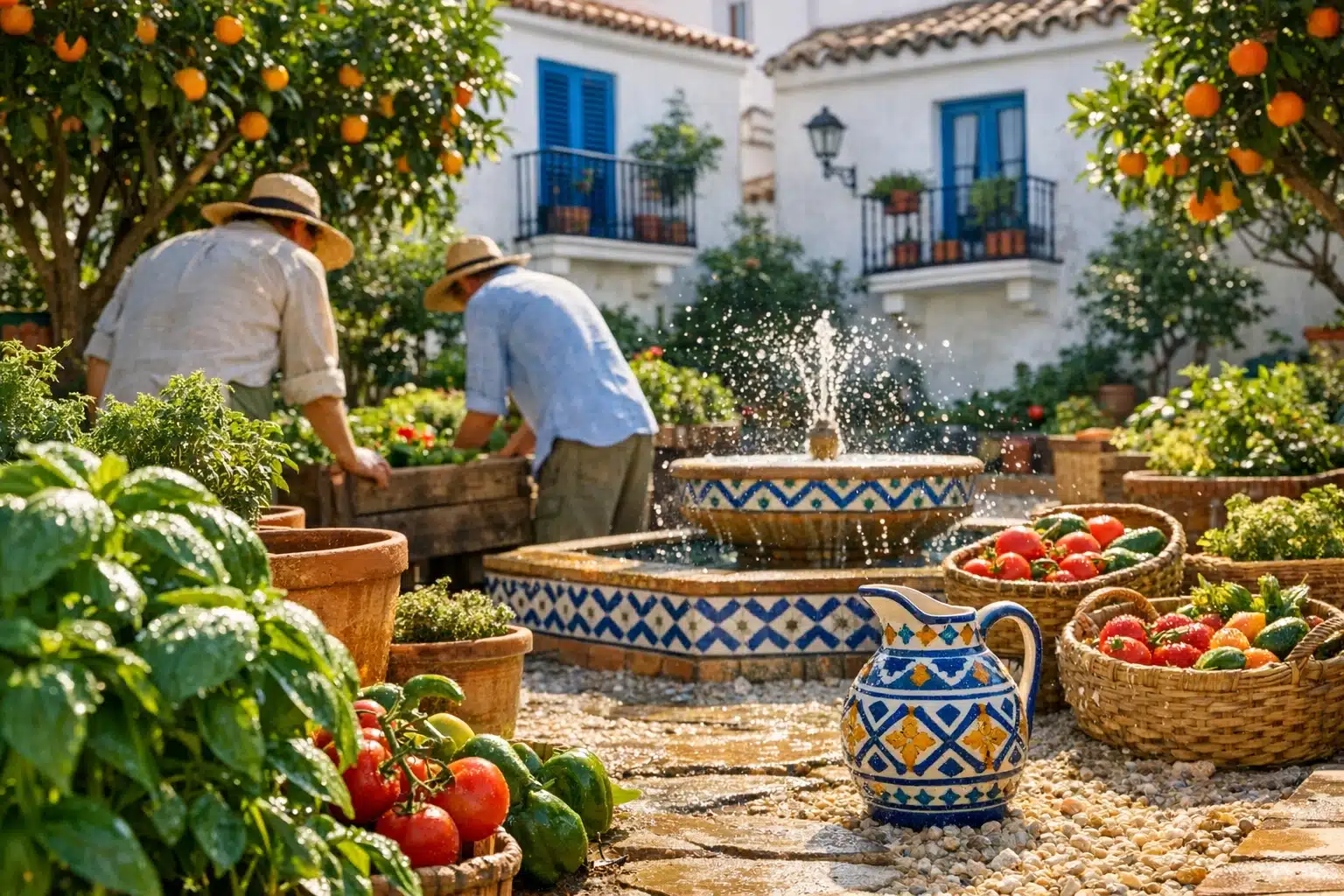
 Artificially generated image
 Summer Volunteering in Spain: Opportunities, Tips, and What to Expect
Summer volunteering in Spain sits at the crossroads of travel, service, and personal growth, making it one of the most meaningful ways to spend a few weeks abroad. Beyond sunny coasts and famous plazas, volunteers enter real communities where language, culture, and practical work meet. Whether you are a student, a gap-year traveler, or a professional seeking perspective, the experience can build empathy, confidence, and skills that often outlast the holiday itself.
Outline: 1. Why Spain stands out as a summer volunteering destination. 2. The main types of volunteer opportunities available in Spain and how they compare with summer volunteering elsewhere. 3. The practical side, including costs, applications, accommodation, language, and visas. 4. Ethics, impact, and the personal growth that comes from volunteering well. 5. A final guide for students, travelers, and career changers deciding whether summer volunteering in Spain is the right fit.
Why Spain Stands Out for Summer Volunteering
Spain is often imagined through warm evenings, tiled streets, and the slow rhythm of a meal shared outdoors, but it is also a country with a wide range of community needs and civic initiatives. That combination matters. Summer volunteering works best when a destination offers both genuine opportunities to contribute and an environment that helps volunteers stay engaged, adaptable, and curious. Spain does that particularly well.
One reason is diversity. Spain is not a single, uniform backdrop. It includes major cities such as Madrid, Barcelona, Valencia, and Seville, but also mountain villages, farming regions, islands, coastal wetlands, and areas facing seasonal pressure from tourism, drought, and environmental stress. A volunteer placement in Andalusia can feel entirely different from one in Catalonia, Galicia, or the Canary Islands. This regional variety means projects can range from marine conservation and community gardens to youth camps, language support, food distribution, and cultural heritage work.
Another advantage is accessibility. Spain is part of the Schengen Area, has strong transport links, and is consistently among Europe’s most visited countries, which makes travel planning simpler than in many destinations. For volunteers, this does not just mean convenience. It means easier movement between airports, trains, buses, and towns, which can reduce logistical stress and make short summer placements more realistic. In general summer volunteering, a major barrier is often the time and complexity needed to reach a project site. Spain lowers that barrier for many travelers.
Climate also shapes the experience. Summer in Spain can be intense, especially inland, where temperatures often rise above 30°C and may exceed 35°C in hotter areas. That can be challenging, but it also explains why many programs schedule work early in the morning, later in the afternoon, or indoors during peak heat. Volunteers quickly learn that preparation is part of the work itself: water, sun protection, pacing, and local advice are not minor details but practical tools.
Spain is also especially attractive for people who want service and cultural immersion together. Spanish is one of the most widely spoken languages in the world, so even a short placement can become a useful language-learning environment. In broader summer volunteering, language learning is often a side benefit; in Spain, it is frequently woven into daily life, from buying bread to joining a neighborhood event.
Several features make Spain especially appealing:
• wide variety of project locations
• strong public transport in many regions
• rich cultural life and local festivals
• opportunities to practice Spanish
• many short-term placements suitable for summer calendars
For many volunteers, Spain feels like a bridge between purpose and possibility. You arrive for a season, but the experience often teaches lessons that do not stay neatly inside that season. The heat fades, the flight home lands, yet the memory of doing something useful in a place that was once unfamiliar tends to linger.
Types of Summer Volunteer Opportunities in Spain and How They Compare
Summer volunteering in Spain covers a surprisingly broad landscape of roles. Some placements are highly structured, run by nonprofits, municipalities, schools, or international volunteer organizations. Others are smaller and more local, built around community associations, cooperatives, or conservation groups. The right choice depends less on what sounds impressive and more on the kind of work you can genuinely support.
Environmental projects are common, especially in summer. Coastal cleanups, reforestation support, trail maintenance, wildlife monitoring, and sustainable agriculture projects are all visible in different parts of the country. Summer is also a season of heightened environmental risk in Spain, particularly around water scarcity and wildfires in some regions, so volunteers may contribute to prevention campaigns, awareness efforts, or land stewardship rather than dramatic emergency work. That distinction is important. Responsible programs rarely hand untrained short-term volunteers highly technical or dangerous tasks.
Community support roles are another major category. These may include helping at youth camps, after-school activities, neighborhood centers, food banks, elder support programs, or social inclusion initiatives for migrants and vulnerable families. In urban settings, volunteers sometimes assist with language exchanges, summer workshops, sports activities, or arts-based projects that keep children engaged during school holidays. In rural areas, the work may look quieter but no less valuable, such as helping maintain shared spaces, supporting local events, or joining projects tied to depopulating communities.
There are also cultural and heritage-focused opportunities. Spain’s long architectural and regional history creates room for volunteers to help with museum events, local festivals, archive support, restoration-adjacent activities, or educational visitor programs. These roles are not always physically demanding, but they often require reliability, sensitivity, and patience.
Typical summer volunteer categories in Spain include:
• environmental conservation
• youth and education programs
• food and social support initiatives
• community arts and cultural events
• rural sustainability and farm-based projects
• language exchange and integration activities
Compared with summer volunteering in general, Spain tends to offer a strong blend of community-based and cultural placements rather than only adventure-oriented projects. In some destinations, summer volunteering is marketed almost like a travel package with a side of service. Spain certainly has programs that appeal to travelers, but the stronger ones usually reflect real local rhythms. You may spend less time on dramatic scenery and more time setting up chairs, painting walls, sorting donations, or helping children stay entertained during a hot afternoon. That may sound ordinary, yet ordinary work is often what communities actually need.
There is also a useful contrast between short-term international volunteering and local volunteering closer to home. Summer programs in Spain can provide cultural learning and a wider sense of perspective, but they are not automatically more valuable than volunteering in your own city. What makes them worthwhile is the fit between your abilities and the host organization’s needs. A modest role done consistently is better than a glamorous title attached to vague impact. Spain offers many chances to do meaningful work, but the most rewarding placements are usually the ones grounded in humility rather than spectacle.
Planning the Practical Side: Costs, Applications, Language, and Daily Logistics
A good summer volunteering experience is built long before the first day on site. The practical side may sound less inspiring than sunsets over a Spanish plaza, but it often determines whether the placement feels smooth, stressful, or deeply worthwhile. Planning does not remove uncertainty; it gives you a way to handle it.
Start with the organization itself. Look for clarity, not just enthusiasm. A credible program should explain what the project does, who benefits, what volunteers actually do, what training is offered, where fees go if fees exist, and what accommodation is included. Some volunteer placements in Spain are free or low-cost, especially local or grassroots opportunities, while others charge program fees to cover housing, meals, administration, insurance support, orientation, and on-the-ground coordination. A higher price does not always mean a better project. Sometimes it simply means more logistics are bundled together.
Budgeting matters. A volunteer might need to cover:
• flights or rail travel
• local transport
• accommodation if not included
• meals or partial meal costs
• travel insurance
• visas or documentation, if applicable
• emergency funds for unexpected expenses
Spain can be relatively manageable compared with some Western European destinations, but costs vary sharply. Madrid and Barcelona usually cost more than smaller cities or rural areas. Island placements may involve additional transport expenses. If you are volunteering for two to six weeks, even small daily choices add up, so it helps to estimate both fixed and flexible spending before you go.
Language is another practical question that affects both comfort and impact. Not every project requires fluent Spanish, and in tourist-heavy or international environments you may get by with basic Spanish and English. Still, even limited Spanish transforms the experience. It shows respect, eases daily tasks, and opens doors to conversations that would otherwise stay shut. Learning phrases related to greetings, directions, food, schedules, and your volunteer role can make a visible difference from day one.
Accommodation also shapes the reality of summer volunteering. You might stay in a shared apartment, hostel, dormitory, volunteer house, homestay, or rural project site. Ask about air conditioning or fans, laundry access, commuting time, quiet hours, internet, and whether bedding is provided. In summer, heat is not a decorative detail; it affects sleep, mood, and work capacity. A placement that looks ideal on paper may feel exhausting if living conditions are poorly matched to the season.
For non-EU volunteers, visa rules depend on nationality, length of stay, and the exact nature of the program. Because rules can change, it is wise to check official government or consular sources rather than rely only on informal advice. The same goes for health coverage and insurance.
In many ways, Spain compares favorably with general summer volunteering because logistics are often easier to understand and infrastructure is reliable. Trains connect major cities, buses reach smaller towns, and digital tools for maps, bookings, and payments are widely available. Yet the smoothest volunteers are rarely the most adventurous on arrival. They are usually the ones who planned with enough care to stay flexible once the real experience begins.
Volunteering Responsibly: Ethics, Real Impact, and Personal Growth
Volunteering is often described in warm, uplifting language, but the ethical side deserves equal attention. A summer placement should not be measured only by how inspiring it feels to the volunteer. It should also be assessed by whether it respects local knowledge, supports ongoing work, and avoids turning communities into backdrops for personal transformation. Spain is no exception. The fact that it is a popular and accessible destination makes this question even more relevant.
The strongest programs are designed around community needs rather than volunteer expectations. That means short-term volunteers are usually most helpful in support roles, educational activities, environmental maintenance, event assistance, and tasks that can be learned quickly without displacing local workers. If a program suggests that a newcomer can arrive for two weeks and solve a deep structural problem, caution is justified. Real social change is usually slow, collaborative, and rooted in local institutions.
Responsible volunteering involves several habits:
• asking what the organization needs before offering what you want to do
• understanding your limits and avoiding roles beyond your training
• respecting privacy, especially when working with children or vulnerable people
• not posting photos or stories that turn others into props
• accepting routine tasks as part of meaningful contribution
This is where Spain can be especially valuable for learning. Because many projects are woven into everyday community life, volunteers often discover that impact does not always look dramatic. It may look like helping prepare materials for a youth workshop, translating basic instructions, cleaning a shared garden area, assisting with summer meal distribution, or showing up on time every day for a task that nobody applauds. In the long run, these habits matter more than heroic self-image.
On a personal level, summer volunteering can still be transformative, just in quieter ways than advertisements suggest. It can improve communication, patience, and problem-solving. It can also sharpen your understanding of inequality, public services, migration, environmental stewardship, or regional identity. Spain offers a vivid setting for these lessons because local life is so present in public spaces: community festivals, neighborhood plazas, markets, language differences, and intergenerational routines all make social dynamics visible.
Compared with general summer volunteering, Spain often rewards cultural attentiveness as much as physical effort. You may need to adapt to later meal times, midday pauses, regional customs, or a more relationship-based pace of communication. That adjustment can feel small, but it teaches flexibility. Growth does not always arrive as a grand revelation. Sometimes it arrives when you realize you are no longer irritated by uncertainty, no longer embarrassed by imperfect Spanish, and no longer measuring value only by speed.
A worthwhile placement leaves two marks. The first is practical: the host organization gained dependable support. The second is internal: the volunteer returns with a more mature sense of service. That is the real exchange. Not rescue, not performance, but participation.
Conclusion: Who Should Consider Summer Volunteering in Spain and What to Expect
Summer volunteering in Spain is best suited to people who want travel with purpose rather than travel with constant entertainment. If you are looking for every day to feel cinematic, you may be disappointed. Some days will be hot, repetitive, and modest. You may spend more time carrying supplies, cleaning shared spaces, or waiting for instructions than you imagined. Yet for many volunteers, that is exactly where the value begins. Meaningful experiences are often built from practical tasks performed with consistency.
Students are a natural fit for these programs because summer calendars align well with short placements, and the experience can strengthen applications, language confidence, and intercultural awareness. Gap-year travelers also benefit because volunteering creates structure and local contact that ordinary tourism rarely offers. Early-career professionals may find it useful as a way to test interests in education, nonprofit work, sustainability, or community engagement. Even older travelers can gain a great deal, provided they choose roles appropriate to their energy, skills, and comfort level.
You are especially likely to benefit if you enjoy:
• learning by doing instead of observing from a distance
• adapting to new routines and shared living arrangements
• using basic language skills in real situations
• contributing to practical tasks without needing constant recognition
• meeting people across age groups and backgrounds
What should you expect in real terms? Expect a blend of usefulness and unpredictability. Expect regional differences in food, pace, and customs. Expect to feel more confident by the second week than you did on the first. Expect some misunderstandings, because cross-cultural experiences are rarely polished. Expect your view of service to become more realistic and, ideally, more respectful. If you volunteer thoughtfully, Spain can offer not just a memorable summer but a sharper understanding of how communities function and how outsiders can contribute without taking center stage.
For the target audience, the key question is not simply, “Should I volunteer in Spain?” It is, “What kind of volunteer am I prepared to be?” If your answer includes curiosity, humility, planning, and a willingness to work where needed, Spain can be an excellent choice. It offers the appeal of a beloved travel destination, but its deeper reward lies elsewhere: in becoming useful for a short time in a place that teaches you to look beyond yourself. That is a fine reason to pack a bag for summer.