Foldable E Bike: Features, Benefits, and Practical Uses of Compact Electric Bicycles
Foldable and portable e bikes have shifted from clever curiosities to serious mobility tools for commuters, travelers, and anyone short on storage space. By pairing electric assist with compact frames, they make it easier to ride to a station, tuck a bike under a desk, or lift it into a car trunk without turning every trip into a workout. That blend of convenience, flexibility, and everyday usefulness is exactly why these compact electric bicycles now matter far beyond the city center.
Outline and Basics: What Foldable and Portable E Bikes Actually Are
Before diving into details, it helps to map the road ahead. This article looks at foldable and portable e bikes from five practical angles: what they are, which features matter, where they work best, how they compare with other bike types, and what owners should know about safety and long-term use. In short, the goal is not to celebrate compact bikes as magic machines, but to explain where they genuinely excel and where compromises appear.
- Definitions and differences between foldable and portable e bikes
- Key components that affect comfort, range, and ease of use
- Real-world benefits for commuting, travel, and small-space living
- Comparisons with full-size e bikes and other compact mobility options
- Maintenance, safety, and buying advice for everyday riders
A foldable e bike is an electric bicycle designed with hinges or quick-release mechanisms that let the frame, handlebar stem, and often the pedals collapse into a smaller shape. A portable e bike is a broader idea. It may fold, but portability also depends on weight, balance, folded dimensions, carrying handles, and whether the bike can be rolled easily when not ridden. That distinction matters. Some models fold neatly yet still weigh more than 25 kilograms, which means they are compact to store but not especially pleasant to carry up a third-floor staircase.
Most compact e bikes use smaller wheels than standard city or trekking bicycles. Common wheel sizes range from about 14 to 20 inches, while full-size e bikes often use 26-inch, 27.5-inch, or 700c wheels. Smaller wheels help reduce folded size, but they can also change ride feel. They accelerate quickly and keep the bike short and agile, though they may feel busier over rough pavement. Motor power and legal limits vary by market, yet many commuter-focused models are built around modest assistance levels intended for urban riding rather than steep off-road use.
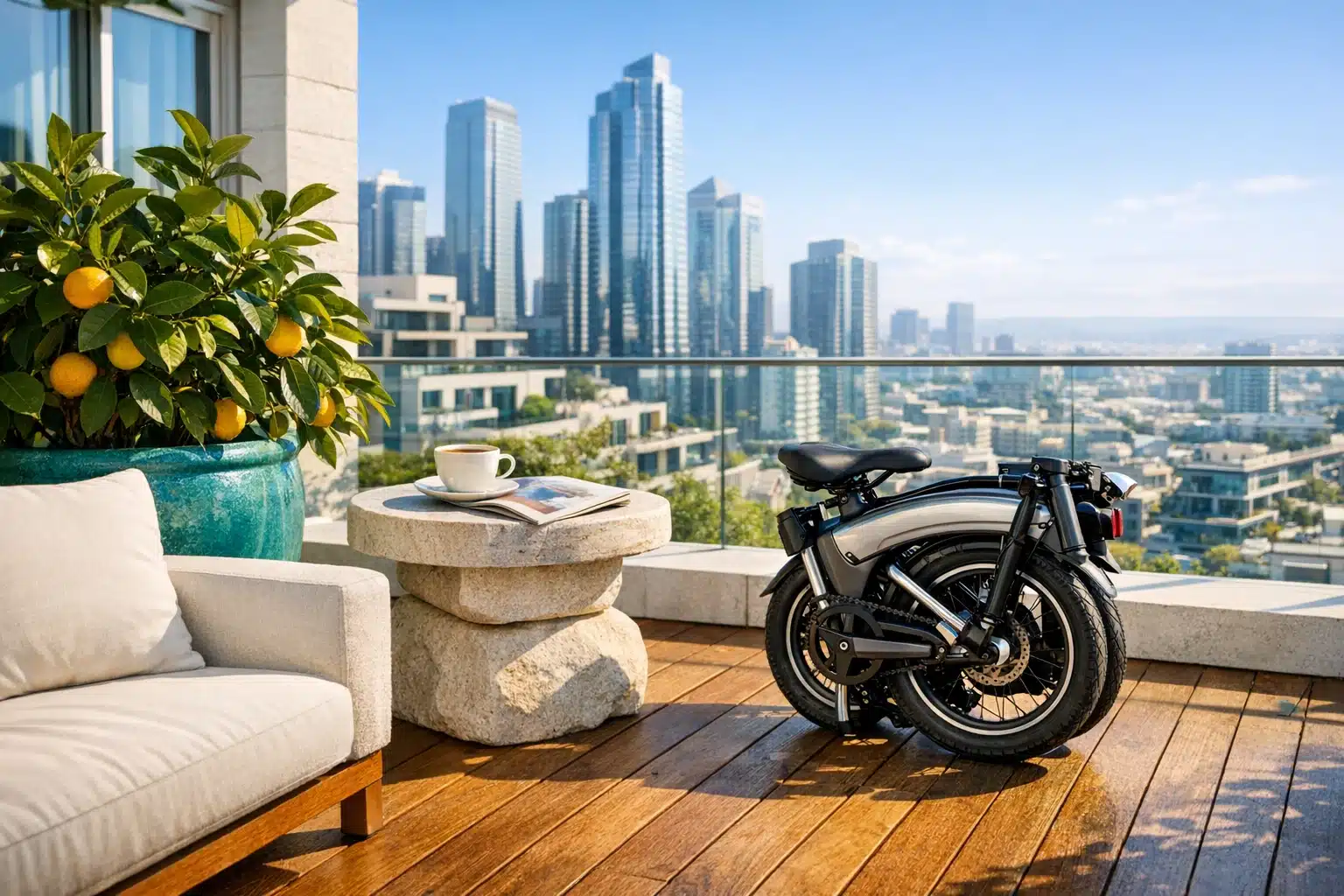
What makes these bikes appealing is not just engineering; it is the promise of fitting movement into crowded lives. In a city apartment, a full-size bike can dominate an entryway like an uninvited guest. A compact e bike, by contrast, can disappear into a corner, under a desk, or beside a coat rack. That quiet practicality is the real story. Foldability solves one problem, but portability solves several at once: storage, carrying, parking, and combining cycling with trains, buses, cars, or weekend travel.
Features That Matter Most: Frame Design, Motor, Battery, and Everyday Convenience
If two compact e bikes look similar in photos, their ride and ownership experience can still be very different. The frame is the first place to look. On a foldable model, the hinge design is critical because it influences stiffness, durability, and how secure the bike feels under load. A well-built hinge should close firmly, resist flex, and feel predictable when riding over bumps or when standing on the pedals. Aluminum frames are common because they balance weight and cost, while some premium models use lighter materials to reduce carrying strain.
Motor type matters as well. Many foldable and portable e bikes use rear hub motors because they are compact, relatively simple, and often cost less than mid-drive systems. Hub motors can work very well for flat or moderately hilly city riding. Mid-drive motors are less common in this category, but they can provide better hill performance and more natural power delivery. For most buyers, though, the more important question is not just motor location but how the assistance feels. A torque sensor tends to respond to rider effort more smoothly, while a cadence sensor can feel more like an on-off push. Neither is automatically better; it depends on whether you prefer gentle responsiveness or straightforward assistance.
Battery size usually falls somewhere between roughly 250Wh and 700Wh on consumer models, with many compact bikes landing in the middle. Larger batteries generally improve range, but they also add weight. Real-world range depends on rider weight, terrain, wind, tire pressure, assist level, and stop-and-go traffic, so advertised figures should be read as estimates rather than guarantees. A removable battery can be especially useful for apartment dwellers because it allows indoor charging without hauling the whole bike to a wall socket.
- Check total weight, not just folded dimensions
- Look for integrated lights, fenders, and a rear rack if the bike is for commuting
- Confirm the folded bike can stand, roll, or lock securely when collapsed
- Compare brake type, tire width, and maximum rider or cargo load
Small details often shape daily satisfaction more than headline specifications. A low step-through frame can help riders mount the bike comfortably. Magnet clips or latches may keep the folded halves together during transport. Folding pedals can shave off a few extra centimeters in tight storage. Wider tires can improve comfort, especially on imperfect city streets, while hydraulic disc brakes may offer better control in wet conditions than simpler systems. In other words, the best compact e bike is rarely the one with the flashiest spec sheet; it is the one whose features align with the rider’s routine.
Benefits and Practical Uses: Why Compact Electric Bikes Fit Modern Life
The strongest case for a foldable or portable e bike appears in the spaces between destinations. It is not only about riding from A to B, but about what happens before the ride starts and after it ends. A full-size bicycle may perform beautifully on the road, yet become awkward in a hallway, on a train platform, in a small elevator, or beside a hotel bed. Compact electric bikes turn those awkward transitions into manageable steps, which is why they appeal to more than traditional cycling enthusiasts.
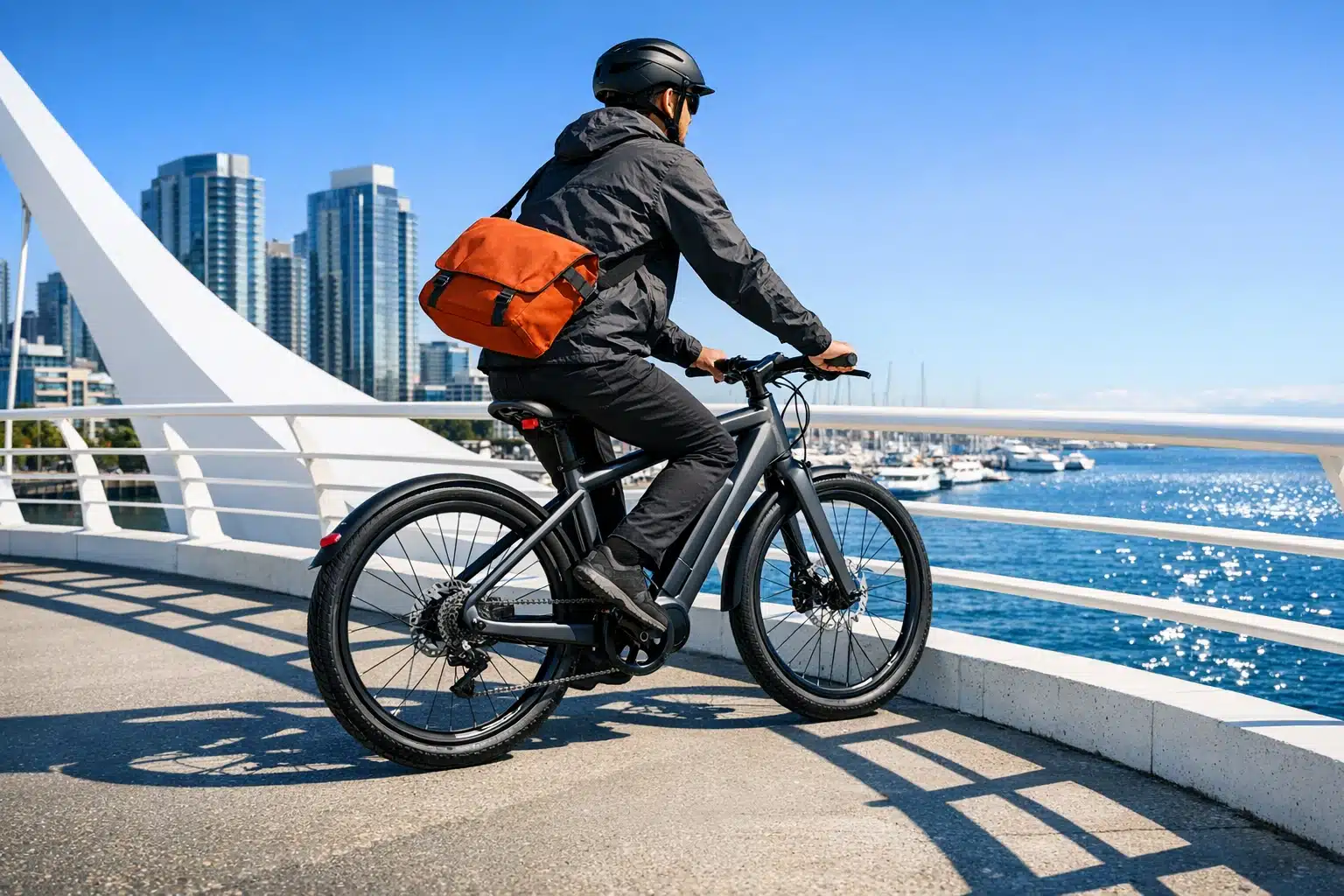
For commuters, one of the biggest advantages is multimodal travel. A rider can use electric assist to cover the first few kilometers to a station, fold the bike for the next leg of the journey, then ride again from the station to the office. That combination can reduce dependence on cars without demanding a long, sweaty trip at each end of the route. Students and apartment residents benefit for a different reason: secure indoor storage. When bike theft is a concern, being able to bring the bike inside is often as valuable as the ride itself.
Portable e bikes also suit leisure use surprisingly well. Campers, RV travelers, boat owners, and weekend explorers often want a machine that can disappear into limited storage and reappear when local transport is needed. In those moments, a compact e bike feels less like sporting equipment and more like a clever utility tool. It can carry groceries from a nearby market, bridge the gap between a parking area and a beach path, or make a hilly holiday town far more enjoyable to explore.
- Urban commuting with trains, buses, or ferries
- Storage in small apartments, offices, dorms, or boats
- Short errands such as shopping, appointments, and local visits
- Travel use for campgrounds, holiday parks, and road trips
Another benefit is accessibility for riders who want assistance but do not want a large, heavy machine dominating their routine. Not everyone needs a high-capacity cargo bike or a long-range trekking model. Many people simply want a bike that is easy to live with. That phrase matters. A vehicle can have impressive speed, battery size, and features, yet still be neglected if it is inconvenient to store or too heavy to manage daily. Compact e bikes lower that barrier. They invite use because they fit around real life: cramped rooms, office corners, stairwells, mixed transport, and the ordinary messiness of daily schedules. That is their quiet advantage, and it is more persuasive than any flashy marketing slogan.
Comparisons and Tradeoffs: Foldable E Bike vs Portable E Bike vs Full-Size E Bike
It is tempting to treat foldable and portable e bikes as automatically smarter than larger alternatives, but the right choice depends on context. A foldable e bike usually wins on storage efficiency. It can fit under desks, inside closets, in car trunks, or beside other luggage with less drama. A portable e bike, meanwhile, wins when the designer has paid attention not just to folding but to carrying and handling off the bike. That can mean lower weight, a removable battery, balanced frame geometry when lifted, or a compact form that rolls well when folded.
Where, then, does the full-size e bike still lead? Comfort and stability. Larger wheels smooth out rough surfaces more effectively, and longer wheelbases can make higher-speed riding feel more settled. Full-size frames also leave more room for larger batteries, stronger cargo capacity, and taller riders who want a natural fit. If your typical ride is 20 to 40 kilometers on varied terrain, a standard e bike may simply feel easier and less compromised. Compact bikes shine when storage and transport are major concerns, not when absolute ride performance is the only priority.
Price is another important factor. Consumer foldable e bikes can start in relatively affordable territory, but better hinges, stronger brakes, lighter construction, and higher-quality batteries usually raise the price. In broad terms, the market ranges from entry-level models around the lower four figures to premium compact bikes that cost as much as many full-size commuter e bikes. Buyers should ask what they are paying for. Sometimes the extra cost buys lighter weight and better fit and finish. Sometimes it mainly buys a fashionable look. Those are not the same thing.
- Choose a foldable e bike if storage space is your main constraint
- Choose a highly portable e bike if you must carry or lift it often
- Choose a full-size e bike if comfort, range, and stability matter most
- Choose a compact model with realistic expectations about wheel size and carrying load
There are also buyers who may be better served by alternatives such as electric scooters or conventional folding bicycles. If your trip is extremely short and you never need to pedal far, a scooter may be more compact. If you live in a flat area and want the lightest possible machine, a non-electric folding bike may be easier to lift. The comparison is not about declaring one category superior; it is about understanding the tradeoffs. A foldable e bike is a tool designed for a certain style of life, and it works best when that life actually demands compactness.
Maintenance, Safety, and Conclusion for Everyday Riders
Owning a compact electric bike is easiest when maintenance habits are simple and consistent. Because folding models rely on hinges, latches, and moving contact points, owners should inspect those areas regularly for looseness, wear, or unusual movement. The same common-sense care that applies to other bicycles still matters: keep tires properly inflated, check brake performance, clean the drivetrain, and confirm that lights and reflectors are working. On a small-wheeled bike, tire pressure can influence comfort and efficiency more noticeably than some riders expect, so a quick pressure check is often worth the minute it takes.
Battery care deserves special attention. Lithium-ion batteries generally last longer when they are stored away from extreme heat, charged with the correct charger, and not left empty for long periods. If the battery is removable, that convenience is useful not only for charging but also for security and storage. During colder months, many riders prefer to bring the battery indoors rather than leave it attached in an unheated garage. Simple habits like these help preserve capacity over time.
Safety is not just about helmets, though wearing one is wise. Riders should also consider visibility, braking distance, and how the bike behaves when loaded with a bag or groceries. Smaller wheels can react quickly to potholes, rails, and rough edges, so line choice matters more than on some larger bicycles. If the bike will be carried often, lifting technique matters too; bending at the knees and removing the battery first can make a noticeable difference. A compact e bike should make life easier, not create a repetitive strain problem in the process.
For the target audience, the final buying question is refreshingly practical: where will this bike spend most of its time when it is not being ridden? If the answer is an apartment hallway, office corner, camper van, boat cabin, or train journey, a foldable or portable e bike may be an excellent fit. If the answer is open roads, long weekend rides, and rougher surfaces, a larger e bike may serve you better. The best choice is the bike that matches your daily constraints, not the one that looks most impressive in a product photo.
In summary, foldable and portable e bikes are most valuable for riders who need mobility that blends into compact living, mixed transport, and busy routines. They reward careful shopping, realistic expectations, and attention to practical details such as weight, folded size, battery access, and ride comfort. For commuters, city residents, travelers, and anyone tired of wrestling with storage problems, these bikes can be a genuinely smart solution. The trick is simple: buy the model that fits your life first, and your route second.