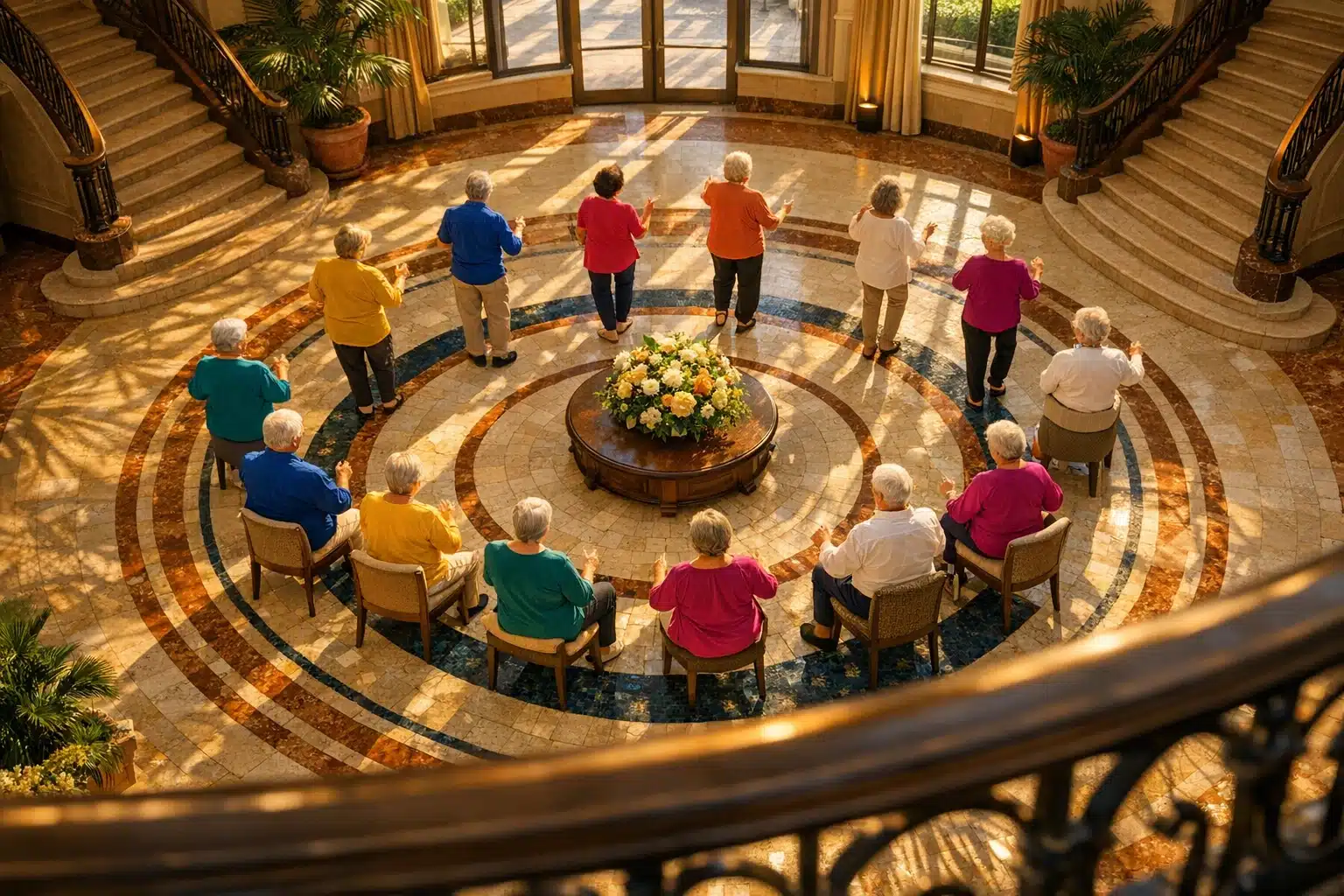
Dance Classes for Seniors: Benefits, Styles, and How to Choose the Right Program
Dance classes for seniors are no longer a niche activity tucked away in community halls; they have become a practical, joyful way to support healthy aging. A well-designed class can strengthen balance, sharpen memory, and create routine social contact without the pressure of competitive exercise. From gentle chair-based sessions to elegant ballroom lessons, older adults can find options that fit different bodies, budgets, and comfort levels. This guide explores what these programs offer, how they differ, and what to look for before joining.
The Roadmap: Why Senior Dance Classes Matter and What This Article Covers
Before comparing styles or evaluating a senior dance classes service, it helps to understand why this topic matters in the first place. Older adulthood often brings major shifts in routine. Retirement can change daily structure, friends may move away, health conditions may require new habits, and forms of exercise that once felt easy can suddenly feel less inviting. Dance sits in a useful middle ground. It is exercise, but it does not always feel like exercise. It is social, but it does not demand the intensity of a party or a large gathering. It can be expressive, structured, gentle, rhythmic, playful, or quietly focused, depending on the program.
Many seniors are not looking for a flashy performance environment. They are looking for a class that respects their pace, keeps them safe, and makes them want to return next week. That is exactly where well-planned dance instruction can shine. A good program meets people where they are. Some participants arrive with years of ballroom experience, while others have not danced since a wedding decades ago. Some want fitness, some want companionship, and some simply want a reason to leave the house on Tuesday morning and hear music in a room full of welcoming faces.
This article follows a clear outline so readers can move from broad understanding to practical action:
- Why dance is especially relevant for older adults
- What physical, mental, and social benefits are commonly linked to dance
- How common formats such as ballroom, line dancing, chair dance, and online classes compare
- What to expect from a professional senior dance classes service
- How seniors, families, and caregivers can choose a suitable program and get started comfortably
Think of this as a map rather than a sales pitch. The aim is not to claim that dance solves every challenge of aging. Instead, the goal is to show how a thoughtful class can become one reliable, enjoyable part of a healthy routine. When music begins and feet find a steady pattern, something simple but meaningful happens: movement becomes less like a task and more like an invitation.
Physical, Mental, and Social Benefits of Dance Classes for Seniors
One reason dance classes for seniors continue to grow in popularity is that they combine several healthy habits in one activity. Dance asks the body to move, the brain to pay attention, and the individual to connect with rhythm, instruction, and often other people in the room. That combination is powerful. Public health guidance for older adults consistently encourages regular movement, including activities that support balance, strength, and coordination. Dance can contribute to all three, especially when classes are adapted for older participants and led by instructors who understand mobility needs.
On the physical side, seniors dance classes can help improve posture, flexibility, joint mobility, and lower-body strength. Even simple stepping patterns require weight shifting, directional changes, and controlled foot placement. Those are not small details. They are the mechanics behind everyday actions such as turning, reaching, walking on uneven surfaces, and recovering from a slight loss of balance. The Centers for Disease Control and Prevention has long identified falls as a major injury risk for older adults, so any activity that safely practices balance and coordination can be especially valuable. Dance is not a guarantee against falls, and it should never replace medical advice or physical therapy when needed, but it may support functional movement in a motivating way.
The cognitive side is just as interesting. Following choreography, remembering sequences, listening for cues, and matching movement to music all engage attention and memory. Studies on dance-based exercise in older adults have reported benefits related to cognitive engagement, mood, and dual-task functioning, which is the ability to manage movement and mental processing at the same time. In ordinary language, that means dance invites the brain to stay active rather than passive. A simple grapevine step or a turn timed to a beat becomes a small puzzle with a musical reward.
The social benefit is often the factor that keeps people coming back. Social isolation can affect emotional well-being, especially after retirement, bereavement, illness, or relocation. Dance classes create repeated, low-pressure contact. Participants greet one another, laugh at missed steps, notice progress, and share a familiar routine. A strong class becomes more than a place to move; it becomes part of someone’s week.
- Physical gains may include better balance, stamina, coordination, and mobility
- Mental engagement may support attention, recall, and confidence
- Social interaction can reduce loneliness and improve enjoyment
- Music adds emotional lift, which makes consistency easier
That last point matters. Many exercise plans fail because they feel dull or punishing. Dance has a different texture. It can feel like work, but it often arrives wearing the lighter clothes of joy.
Comparing Popular Styles: Ballroom, Line Dancing, Chair Dance, and More
Not all seniors dance classes are built the same, and that is good news. Variety allows older adults to choose a format that suits their goals, physical condition, and personal taste. One person may want the elegance and partner connection of ballroom. Another may prefer the predictable patterns of line dancing. A third may need a seated or supported class that prioritizes safety while still offering rhythm and participation. The best choice depends less on what looks impressive and more on what feels sustainable.
Ballroom classes are often attractive to seniors who enjoy structured learning, partner interaction, and classic music. Styles such as waltz, foxtrot, rumba, and social swing can improve posture, coordination, and timing. Ballroom also builds communication between partners, because each step requires shared direction and responsiveness. The challenge is that some ballroom formats move quickly for beginners or assume a comfortable ability to turn, pivot, and travel across a floor. A senior-focused ballroom class should slow those elements down, offer substitutions, and avoid making anyone feel left behind.
Line dancing is popular because it removes the pressure of finding a partner. Everyone follows the same sequence, usually facing the same direction, which creates a pleasant sense of teamwork. Patterns repeat, so confidence tends to grow over time. Music choices can range from country to pop to old standards, making the class easier to personalize for different communities. Line dance is especially useful for participants who like clear instruction and enjoy remembering step patterns.
Chair dance or seated dance classes deserve special attention because they widen access. These programs allow seniors with limited mobility, chronic pain, or balance concerns to participate in movement without standing for long periods. A well-designed chair class may include upper-body rhythm work, seated foot patterns, gentle core movement, and supported standing options where appropriate. It can feel less glamorous on paper, yet in practice it is often one of the most inclusive and confidence-building formats available.
There are also hybrid models, such as gentle jazz, low-impact Zumba Gold, folk dance, movement therapy classes, and online sessions. Each has strengths and trade-offs:
- Studio classes may provide stronger community and better instructor feedback
- Community-center classes are often more affordable and accessible
- Online classes offer convenience but require self-monitoring and adequate space
- Care-home programs can be highly adaptive but vary in quality and consistency
When comparing styles, seniors should think about more than music preference. Consider pacing, floor surface, class size, transportation, support for mobility aids, and whether the instructor welcomes modifications. The right class is not the one with the fanciest name. It is the one that makes movement feel possible, safe, and worth repeating.
What to Expect from a Quality Senior Dance Classes Service
The phrase senior dance classes service can mean many things. In some settings, it refers to regular classes at a community center. In others, it describes an independent instructor who visits retirement communities, a fitness studio with age-specific programming, or a mobile service that brings dance sessions to assisted living facilities. Because the market is broad, quality can vary. A polished brochure is not enough. Families and older adults should look closely at how the service is designed and delivered.
A strong service begins with instructor awareness. Teachers do not need to turn every class into a medical seminar, but they should understand common age-related considerations such as reduced joint range, slower transitions from standing to turning, hearing differences, and the need for clear verbal cueing. Experience with older adults is a major plus. So is the ability to create an atmosphere that is encouraging rather than patronizing. Seniors do not want to be treated like fragile spectators. They want to be taught with respect.
Safety and accessibility are equally important. That includes the room, the pace, and the planning. Good programs typically pay attention to details such as:
- Non-slip flooring and adequate space between participants
- A visible, easy-to-follow demonstration style
- Built-in warm-up and cool-down periods
- Options for seated participation or simpler variations
- Reasonable class length with rest breaks when needed
- Clear communication about what to wear and what to expect
Another sign of a solid service is assessment without intimidation. Some providers ask about health conditions, mobility limitations, or previous experience before a class begins. That is usually a positive sign, not an obstacle, because it helps instructors tailor the session responsibly. However, a quality service should also know its boundaries. It should never promise to cure illness, reverse major conditions, or replace medical treatment. Responsible providers describe benefits realistically and encourage participants to consult health professionals when necessary.
Cost and convenience matter too. A premium studio may offer excellent instruction, but if the location is hard to reach or the schedule is impractical, attendance may fade. Conversely, a low-cost local class may be ideal if it is reliable and welcoming. Ask whether trial sessions are available, whether drop-in attendance is allowed, and whether caregivers can observe. Reviews can be helpful, but direct observation is even better. Watching one class reveals more than any flyer. You can see whether participants are engaged, whether corrections are kind, and whether the room feels lively in the best sense of the word.
A quality senior dance classes service does not simply teach steps. It creates a setting where older adults can move with dignity, curiosity, and confidence.
How to Choose the Right Program and a Final Word for Seniors and Families
Choosing a dance class is a practical decision, but it is also a personal one. The right program should fit the participant’s body, schedule, confidence level, and reasons for joining. Some older adults want gentle activity after a long break from exercise. Others want sharper technique, more challenge, or a new social circle. Families and caregivers may be focused on safety, transportation, and consistency. All of those concerns are valid, and the best choice usually emerges when enthusiasm and realism meet in the middle.
A helpful starting point is to ask a few simple questions. Does the class welcome beginners? Is it designed specifically for older adults, or merely open to all ages? What happens if someone needs to sit down, skip a turn, or move more slowly? Can the instructor describe how they adapt for arthritis, mild balance issues, or limited endurance? Answers to these questions reveal a lot about the program’s culture. A class can be energetic and still be considerate. In fact, the best ones usually are.
It also helps to begin with a trial mindset. No one needs to commit to the first class they see. One or two sessions are often enough to tell whether the environment feels right. Notice the small signals. Are newcomers greeted? Are directions easy to hear? Does the music energize without overwhelming? Do participants seem comfortable making mistakes? A room that allows a little laughter is often a room people return to.
For seniors getting started, a few practical habits can make the first experience easier:
- Wear supportive shoes that allow stable movement
- Bring water and any necessary mobility aid
- Arrive early to discuss concerns with the instructor
- Start with a beginner or low-impact level if unsure
- Focus on consistency rather than perfection
The most important point is this: progress in dance does not have to look dramatic to be meaningful. A steadier turn, a more confident step, a familiar face in class, or the simple pleasure of moving to music on a difficult week all count as real outcomes. For older adults, dance can be exercise, social connection, creative expression, and routine all at once. For families, it can be a constructive, enjoyable option that supports activity without forcing a harsh fitness model. For communities and care providers, it can be one of the most human services on offer, because it treats aging not as a retreat from life, but as a stage still open to rhythm, learning, and delight.
In the end, the best dance classes for seniors are not defined by flashy choreography or perfect timing. They are defined by accessibility, warmth, and the quiet transformation that happens when someone walks in uncertain and leaves a little lighter.