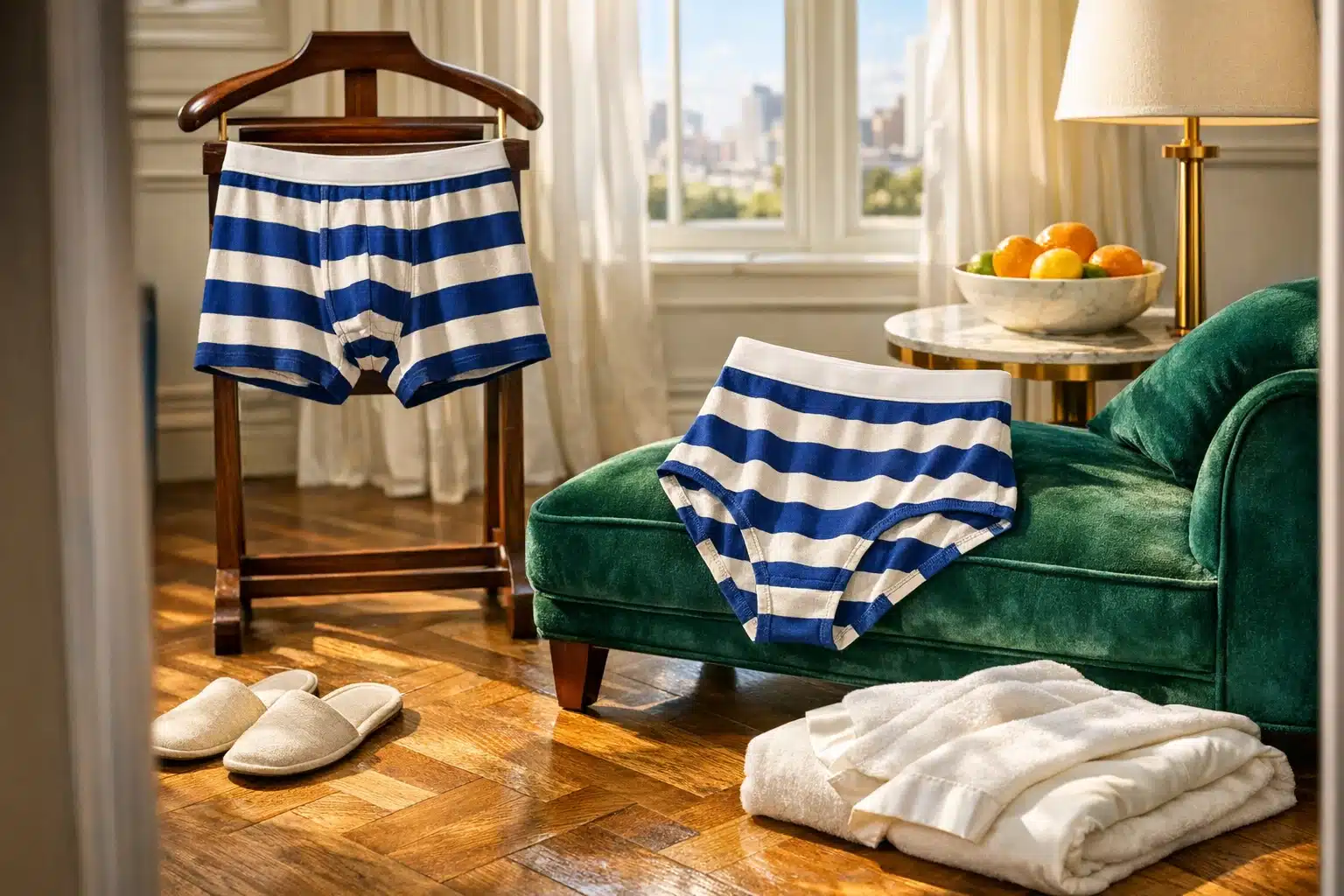
Matching Couple Underwear: A Guide to Styles, Comfort, and Fit
Matching couple underwear sits at the crossroads of comfort, style, and a quiet kind of everyday connection. What seems like a playful purchase can also answer practical questions about fabric, sizing, gifting, and wardrobe planning. Because underwear is the layer worn closest to the skin, small differences in fit and material can shape comfort throughout the day. That makes this topic surprisingly relevant for shoppers who want value, confidence, and clothes that feel good from morning to night.
Article outline:
- The appeal of matching couple underwear and why it has moved beyond novelty.
- How fabrics, stitching, and waistband design influence comfort and durability.
- Which underwear styles work best for different bodies, routines, and fashion goals.
- How to measure accurately, compare size charts, and care for sets so they last longer.
- How couples and gift buyers can choose wisely based on budget, lifestyle, and personal taste.
The Appeal of Matching Couple Underwear: More Than a Cute Idea
Matching couple underwear often enters the conversation as a fun gift or a lighthearted shopping idea, yet its appeal runs deeper than novelty. Clothing has always carried social meaning, and underwear, although mostly hidden, is still part of how people express identity and routine. For couples, coordinated basics can signal togetherness without demanding public display. It is a private style choice, almost like a shared wink tucked inside an ordinary weekday.
One reason this trend has lasted is that it blends emotional value with practical shopping. Many couples already compare pajamas, loungewear, and seasonal outfits, so underwear feels like a natural extension of that habit. A matching set can simplify gift buying for anniversaries, holidays, or travel. Instead of choosing something decorative but rarely used, shoppers can pick a product that is worn often and judged daily on comfort. That gives the purchase a more grounded purpose.
There is also a psychological angle worth noting. Small rituals strengthen routine and familiarity, and coordinated clothing can become one of those rituals. It will not transform a relationship, of course, but it can add a bit of delight to the ordinary. In a world where so many purchases shout for attention, matching underwear works differently. Its charm is quieter. It lives in the drawer, in the laundry basket, and in the moment one partner notices the other chose the same pattern before heading out the door.
Compared with buying underwear separately, coordinated sets often encourage a more thoughtful shopping process. Instead of selecting random pieces based only on color or price, couples usually compare:
- fabric feel and stretch
- waistband comfort
- whether both cuts suit each person equally well
- how the design looks after repeated washing
That extra attention can lead to better choices overall. It also highlights an important truth: matching does not have to mean identical. Some couples prefer the same print in different cuts, such as trunks for one partner and briefs or boyshorts for the other. Others choose coordinated colors rather than mirror-image designs. The best sets acknowledge that comfort is personal. A smart match respects individual needs while still creating a shared visual thread. In that sense, matching couple underwear is less about costume and more about balance: a little fun, a little practicality, and a surprisingly useful lesson in choosing basics well.
Fabric, Breathability, and Construction: What Actually Determines Comfort
If style draws shoppers in, fabric keeps them satisfied. Underwear sits against the skin for long stretches, so material choice matters more here than in many outerwear categories. The most common everyday option remains cotton, largely because it is breathable, soft, and generally easy to wash. A typical cotton-elastane blend, often around 95 percent cotton and 5 percent elastane, offers a practical mix of comfort and stretch. The cotton handles softness and airflow, while the elastane helps the garment recover its shape instead of sagging by midday.
Other fabrics also deserve attention. Modal and micromodal are known for their smooth hand feel and fluid drape. They can feel cooler and silkier than standard cotton, which many people appreciate in warmer weather or under close-fitting clothing. Bamboo-derived viscose is sometimes chosen for softness, though buyers should look beyond marketing language and evaluate actual fabric composition and care needs. Synthetic-rich blends, including polyester or nylon, may dry faster and hold color well, but they can feel warmer depending on knit structure and climate.
Construction details are just as important as fiber content. Two garments made from similar fabric can wear very differently because of how they are built. Useful points to compare include:
- flat seams, which can reduce rubbing
- tag-free interiors for fewer irritations
- double-layer front or gusset panels for structure
- waistbands that feel secure without digging into the skin
- leg openings with enough elasticity to stay in place without pinching
Breathability also depends on thickness and knit density, not just the fiber label on the packaging. A heavy cotton jersey may trap more heat than a lighter, more open knit made from another material. That is why touch alone can be misleading in the store. Softness feels reassuring at first contact, but lasting comfort comes from how the garment behaves over several hours of sitting, walking, commuting, or sleeping.
For matching couple underwear, fabric choices should work for both people rather than simply photograph well. A shared pattern printed on low-quality material will likely lose its appeal after a few washes. Better sets usually balance stretch, recovery, color retention, and ease of care. Think of fabric as the silent partner in the purchase. It never makes the loudest entrance, yet it decides whether the underwear becomes a favorite or ends up forgotten at the back of the drawer.
Comparing Underwear Styles: Finding the Right Cut for Different Bodies and Routines
Underwear style is where matching sets either become truly wearable or remain a one-time novelty. The most attractive print in the world cannot rescue a cut that rides up, compresses too much, or shifts under clothing. That is why couples should think in terms of lifestyle and body preference before thinking in terms of pattern. One partner may want secure support for long workdays, while the other may care more about invisible lines under fitted trousers or dresses. Matching can still happen, but the cut should follow the person, not the other way around.
For many shoppers, the main style categories include briefs, trunks, boxers, boxer briefs, bikinis, hipsters, boyshorts, and high-rise options. Each serves a different purpose. Briefs usually provide concentrated support and a closer fit, which can suit active days or slimmer trousers. Trunks offer a shorter leg than boxer briefs, giving a modern shape that works well under many outfits. Traditional boxers feel airy and relaxed but may bunch under tailored pants. On the other side of the aisle, bikinis tend to prioritize a lighter profile, hipsters sit lower on the waist with balanced coverage, boyshorts offer a more squared silhouette, and high-rise cuts can feel especially secure for people who prefer more coverage.
A practical comparison often looks like this:
- Best for support: briefs and boxer briefs
- Best for minimal bulk under slim clothing: trunks, bikinis, and some hipsters
- Best for lounging: looser boxers and softer modal blends
- Best for fuller coverage: boyshorts and high-rise styles
- Best all-round compromise: trunks and hipsters for many body types
Body shape also influences success. People with fuller hips may prefer cuts with wider leg openings or more flexible stretch. Those sensitive to waistband pressure might choose mid-rise styles with softer elastic. Athletic builds sometimes favor underwear that stays anchored during movement, while others simply want something that disappears once it is on. There is no universal best cut, only a best match between design and daily use.
This is where coordinated underwear can be smart rather than rigid. Matching does not require both partners to wear the same silhouette. A shared color palette or print can unite different shapes beautifully. One partner might choose boxer briefs, the other high-rise briefs, and the set still feels intentional. The result is not forced symmetry but thoughtful coordination. Like a good duet, each part sounds different on its own, yet together they make more sense than either would alone.
Sizing, Fit Checks, and Care Habits That Help Underwear Last
Fit is the deciding factor in whether underwear earns a permanent place in rotation. Size labels can be surprisingly inconsistent across manufacturers, and this matters even more when buying matching sets online. A medium in one brand may feel close to a small or large in another, especially when fabrics differ in stretch or compression. That is why relying on your usual size alone can lead to disappointment. Measurement is a better starting point.
For most shoppers, the key numbers are waist and high-hip measurements. A soft tape measure taken against the body, without pulling tight, usually gives the clearest result. Once those numbers are known, compare them to the specific size chart for the product rather than the brand’s general image. Small chart differences of 2 to 4 centimeters can affect comfort more than many people expect. If a shopper falls between sizes, fabric composition becomes the tie-breaker. A stretch-rich blend may allow sizing down for a closer fit, while a firmer cotton knit may feel better in the larger option.
After purchase, a quick fit check can reveal whether the choice is right:
- The waistband should sit flat without rolling or digging.
- The leg openings should stay in place without pinching.
- The fabric should not pull sharply across the front or seat.
- The garment should remain comfortable when sitting, not just standing.
- There should be no constant need for adjustment through the day.
Care habits matter almost as much as sizing. Underwear goes through frequent washing, which makes it vulnerable to fading, stretched elastic, and fiber breakdown. Washing in cool or warm water, using a gentle cycle for delicate fabrics, and avoiding very high dryer heat can extend lifespan. Heat is particularly rough on elastane, the ingredient that gives many underwear styles their recovery. Once that recovery weakens, even a formerly great fit can turn slack and unsupportive.
For matching couple underwear, good care also preserves the visual appeal that made the set attractive in the first place. Similar colors should be washed together to reduce dullness, and printed fabrics often last longer when turned inside out. A little consistency in laundry turns a playful purchase into a durable one. In practical terms, the best set is not the one that looks perfect on day one. It is the one that still feels good, still holds its shape, and still makes sense after months of real life: workdays, weekends, travel bags, and the endless spin of the washing machine.
Smart Buying Advice for Couples and Gift Shoppers
If you are shopping for matching couple underwear, the best approach is to treat it as both a style purchase and a basics purchase. The emotional appeal may start the search, but satisfaction usually comes from the same qualities that matter in any underwear drawer: comfort, durability, suitable coverage, and a fit that respects each person’s preferences. That mindset is especially helpful for gift buyers, who can be tempted by clever packaging while overlooking fabric details or sizing realities.
Start with the context of the purchase. Is the set meant for everyday wear, travel, lounging, or a seasonal gift? Everyday sets should prioritize breathability, soft seams, and dependable elasticity. Travel-friendly options may benefit from lighter fabrics that dry more quickly after washing. If the purchase is a gift, reversible choices such as neutral colors or classic stripes are often safer than loud novelty prints. Humor can be charming, but comfort is what keeps the gift from becoming a forgotten joke.
Budget matters too, yet value is not always found at the lowest price. A very cheap set may lose shape quickly, pill after repeated washing, or feel uncomfortable after a few hours. A slightly higher-priced option made with better stitching and more stable fabric can outlast several low-cost pairs. Consider the cost per wear rather than only the price tag. A pair worn weekly for a year earns its place more honestly than a bargain piece that stays untouched.
Before buying, it helps to ask a few simple questions:
- Do both partners actually like the fabric blend?
- Can each person choose the cut that suits them best?
- Is the size chart detailed and easy to trust?
- Will the design still feel appealing after the novelty fades?
- Does the care routine fit real household habits?
For couples, the best matching underwear is not the loudest, trendiest, or most dramatic set on the shelf. It is the one that feels natural to wear and easy to keep in rotation. For gift shoppers, the sweet spot lies in balancing charm with practicality. Choose something that acknowledges personality without sacrificing usefulness. In the end, underwear is one of the most ordinary garments we own, and that is exactly why it deserves careful thought. When chosen well, matching sets can bring a little coherence, a little fun, and a lot more comfort to daily life. For readers deciding whether to try them, the answer is simple: start with fit, trust fabric over hype, and let the matching part be the bonus rather than the whole story.