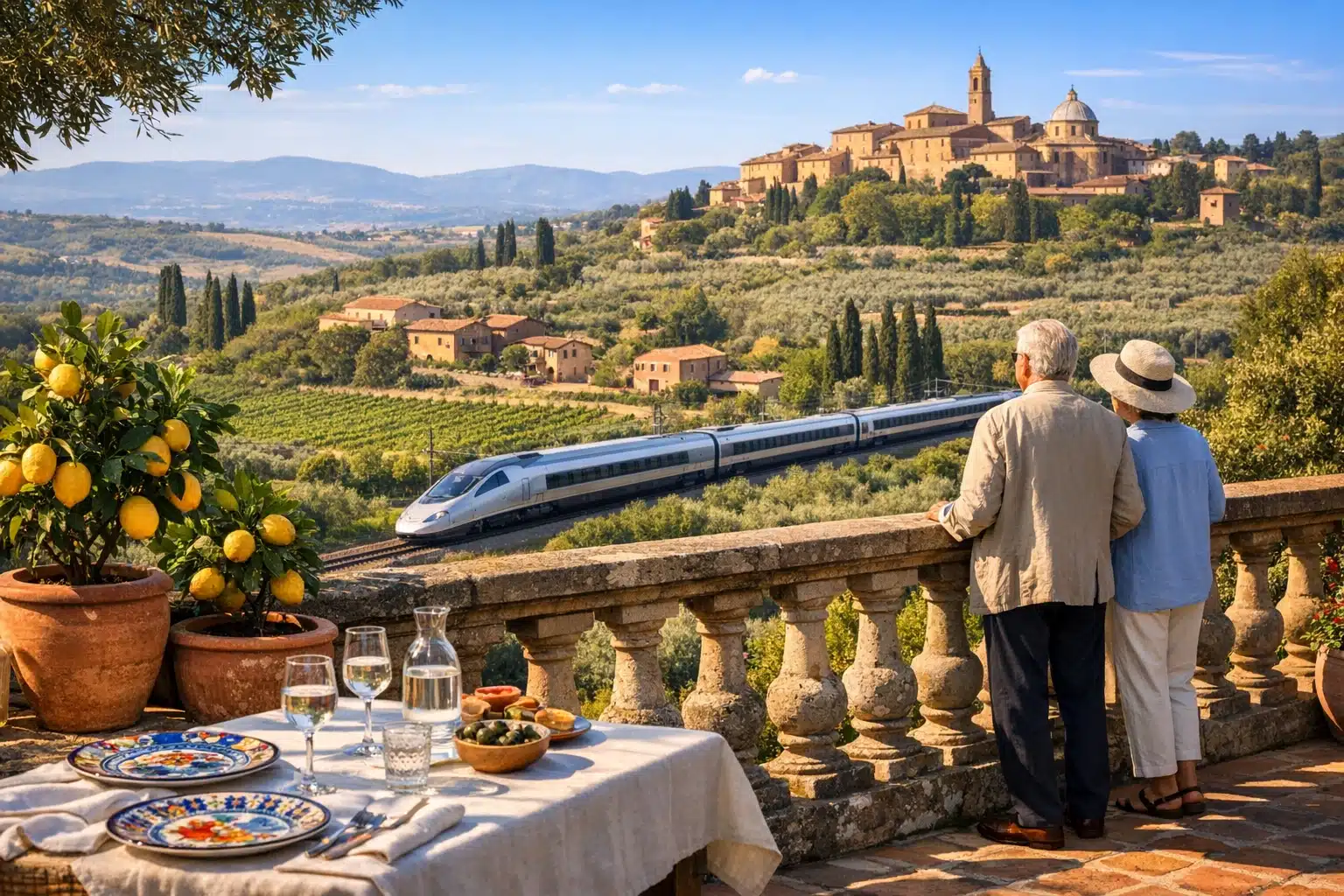
Top Train Trip Destinations for Seniors
Train travel offers seniors a rare blend of comfort, scenery, and simple logistics that air and road trips often fail to match. With roomy seats, central stations, and the freedom to watch landscapes unfold, rail journeys can feel less like transportation and more like part of the vacation. This guide explores standout train trip destinations, practical planning tips, and route styles that suit different budgets, mobility needs, and travel goals. Whether you want mountain drama, coastal views, or easy city-to-city adventures, the right itinerary can turn a trip into a lasting memory.
Outline and Why Train Travel Works So Well for Seniors
Before choosing a route, it helps to know what this article covers and why rail travel continues to appeal to older adults across the world. The outline is simple and practical: first, we look at what makes train trips especially suitable for seniors; next, we compare some of the most rewarding scenic rail journeys; then we move into easier city-to-city routes that combine culture and convenience; after that, we break down the key planning factors such as accessibility, cost, and season; finally, we close with guidance on how to match a rail journey to different travel styles. That structure matters because the best senior trip is rarely about choosing the most famous train. It is about choosing the right pace, the right comfort level, and the right amount of movement between stops.
Train travel often works well for seniors because it removes several common pain points. Long drives can be tiring, especially on unfamiliar roads or in poor weather. Flying may be faster over great distances, but airports usually involve security lines, long walks, fixed seating, and extra transfers to reach the city center. Rail stations, by contrast, are often located in central districts, which can shorten the final leg of the journey. On many intercity trains, passengers can stand up, stretch, visit the café car, and enjoy larger windows than they would on a plane.
- More room to move during the trip
- City-center arrivals in many destinations
- Scenic value built into the transportation itself
- Less driving stress and fewer airport formalities
There is also an emotional advantage that is harder to measure but easy to feel. A good rail holiday has a gentler rhythm. Morning light slips across a station roof, coffee warms your hands, and the world begins to unfold outside the glass without demanding anything from you except attention. That atmosphere can be especially appealing for travelers who want a meaningful trip without a punishing schedule.
Of course, not every rail journey is automatically senior-friendly. Some rural stations have limited staffing, some older carriages require a step up to board, and some long routes can face delays. That is why destination choice matters. In general, seniors tend to do best with itineraries that balance comfort, manageable transfers, and enough free time to rest between sightseeing. The best train trip is not the one that covers the most ground. It is the one that lets you enjoy the ground you cover.
Top Scenic Train Trip Destinations for Seniors
When people imagine classic train vacations, they often picture dramatic landscapes rolling by in comfort, and several routes truly deliver that experience. For seniors who want the journey to be the highlight, a scenic rail trip can be ideal because it offers immersion without requiring strenuous activity. Among the best-known options, the Glacier Express in Switzerland stands out for panoramic views, smooth operations, and a full-day route that links Zermatt and St. Moritz. The train is famous for alpine passes, deep valleys, and large windows designed for sightseeing. It is not a budget choice, but it is exceptionally well suited to travelers who value organization, scenery, and a polished onboard atmosphere.
In Canada, the Rocky Mountaineer is often recommended for seniors seeking a premium experience. One reason is its daylight-focused format on many itineraries. Instead of sleeping onboard, travelers often stay in hotels overnight, which can be more comfortable for people who prefer a proper bed and shower. The landscapes are memorable: pine forests, rivers, canyons, and the broad theatrical sweep of the Rockies. It feels less like commuting and more like being carried through a moving postcard. By contrast, VIA Rail’s Canadian offers a more traditional long-distance sleeper experience. It can be excellent for adventurous travelers, but it requires a higher tolerance for time onboard and a more flexible attitude toward schedules.
In the United States, the Coast Starlight remains one of the most appealing scenic routes for senior travelers. Running along much of the West Coast corridor between Los Angeles and Seattle, it combines ocean glimpses, farmland, forests, and mountain scenery. Private roomettes or bedrooms can make a major difference on this route, especially for travelers who want privacy, easier rest, and included meals. The trade-off is that long-distance U.S. trains can experience delays, so this trip suits those who value the experience more than strict punctuality.
For a shorter but deeply atmospheric option, Scotland’s West Highland Line is a favorite. The route from Glasgow toward Fort William and Mallaig is rich in lochs, moors, and rugged Highland scenery. It is especially good for travelers who want cinematic views without committing to several days on a train.
- Best for luxury and precision: Glacier Express
- Best for premium daylight sightseeing: Rocky Mountaineer
- Best for classic U.S. long-distance scenery: Coast Starlight
- Best shorter dramatic route: West Highland Line
The right choice depends on pacing, budget, and tolerance for long travel days. Seniors who prioritize comfort and seamless service may prefer Switzerland or Rocky Mountaineer. Those drawn to nostalgia, sleeper cabins, and bigger distances may enjoy the Coast Starlight or VIA Rail. The key is to choose a route whose style matches your stamina, not just your bucket list.
Easy City-to-City Rail Trips for Seniors Who Want Culture and Comfort
Not every senior traveler wants a grand wilderness crossing. Many prefer trips that combine manageable train rides with beautiful cities, excellent food, and hotels that can be reached without complicated transfers. In that case, city-to-city rail journeys are often the smartest choice. They allow travelers to unpack for two or three nights at a time, enjoy museums and local dining, and continue onward without the fatigue of constant airport procedures. Europe and Japan are especially strong for this style of travel because their rail networks are extensive, frequent, and generally easy to understand.
Italy is one of the strongest options for a first senior rail vacation. A route such as Rome, Florence, and Venice works well because each stop offers a distinct experience and the rail links are straightforward. Rome provides ancient history and grand public spaces, Florence brings art and a compact center, and Venice offers a slower, almost dreamlike finale where water buses replace traffic noise. High-speed trains reduce travel time between these cities, which means less energy lost in transit and more time enjoying the destination. The caution, of course, is that older city centers may include uneven streets and bridges, so hotel location matters enormously.
Spain offers another excellent pattern with Madrid, Córdoba, and Seville. This itinerary suits seniors who enjoy architecture, manageable distances, and warm hospitality. Spain’s high-speed rail network has expanded significantly, making intercity travel fast and comfortable. Madrid works well as an arrival city with major museums and broad boulevards, while Córdoba and Seville provide a richer sense of historic Andalusia. Compared with Italy, the pace can feel a little calmer in certain districts, though summer heat can be a real consideration for older travelers.
For those who value order, punctuality, and clear station systems, Japan is highly appealing. A route such as Tokyo, Kyoto, and Hiroshima gives travelers a mix of modern energy, traditional beauty, and historical depth. Japan’s rail culture is famous for efficiency, and many visitors find the station process easier than expected once tickets and seat reservations are arranged. The main challenge is scale: large stations can involve substantial walking, so it helps to book assistance or allow generous connection times.
- Best for art and iconic landmarks: Italy
- Best for relaxed cultural variety: Spain
- Best for punctuality and smooth rail systems: Japan
These trips are ideal for seniors who want a balanced holiday. You still get the pleasure of the train window, but you also gain long lunches, neighborhood strolls, and the simple satisfaction of arriving in the heart of a city instead of far beyond it. For many older travelers, that combination feels just right.
How to Compare Senior Train Trips by Accessibility, Budget, Pace, and Season
Choosing a destination is only part of the decision. To build a truly successful senior rail holiday, it helps to compare trips through four practical lenses: accessibility, budget, pace, and season. These factors often matter more than the destination’s fame. A celebrated route can be disappointing if boarding is difficult, transfer times are too tight, or the weather works against mobility and comfort. The most enjoyable senior trips tend to be those that are thoughtfully planned rather than overly ambitious.
Accessibility should come first. Many rail operators now provide step-free boarding support, wheelchair assistance, priority seating, and help with connections, but these services vary by country and by station. It is wise to check whether elevators are available, how much luggage you will manage on your own, and whether the destination city is walkable in a comfortable way. A central station is helpful, but if the hotel sits at the top of a steep hill or on a street paved with rough stone, the advantage may shrink quickly. Travelers using canes, walkers, or wheelchairs should also confirm restroom accessibility onboard and whether sleeper cabins can accommodate mobility aids.
Budget is the next major issue. Train travel can be affordable or quite expensive depending on route, class, and timing. High-speed services often reward early booking, while premium panoramic trains and private cabins command higher prices. Seniors should compare the full cost rather than just the ticket. A cheaper fare may become less attractive if it requires multiple transfers, an overnight stay near the station, or expensive taxis. In some cases, paying more for a direct route or a more comfortable class of service creates better overall value.
- Check senior fares, rail passes, and advance-purchase pricing
- Compare direct trains with cheaper but more complex itineraries
- Factor in hotel distance from the station and local transport costs
- Consider whether a private cabin or reserved seat improves the trip enough to justify the price
Pace matters just as much. Some seniors enjoy seeing several destinations in one trip, while others prefer longer stays and fewer moves. Neither style is better, but slower usually feels richer. Shoulder seasons such as late spring and early autumn often offer the best balance of moderate weather, lower crowd levels, and more pleasant sightseeing conditions. Summer can bring heavy tourism and heat, while winter may create shorter daylight hours and weather-related disruptions in some regions.
A useful rule is this: if an itinerary looks slightly too easy on paper, it is probably about right in real life. Train travel rewards unhurried planning. Leave space for delays, naps, café stops, and unexpected pleasures. Those quiet margins often become the part travelers remember most.
Conclusion for Senior Travelers: Choosing the Right Rail Journey for Your Style
The best train trip for seniors is not a single destination but a thoughtful match between traveler and route. That is the clearest takeaway from comparing scenic icons, cultural city hops, and practical planning needs. If you want a classic bucket-list experience with dramatic landscapes and a strong sense of occasion, alpine and mountain routes such as the Glacier Express, Rocky Mountaineer, or West Highland Line are hard to forget. If your ideal holiday is more about galleries, cafés, historic districts, and comfortable hotel stays, then rail networks in Italy, Spain, and Japan may offer a better fit. The point is not to chase the most famous itinerary. It is to choose the one that feels welcoming from departure to arrival.
For first-time senior rail travelers, shorter direct routes are often the smartest starting point. They build confidence and keep logistics manageable. Travelers with strong mobility and a taste for grand scenery may enjoy longer daylight rail experiences or sleeper journeys with private accommodations. Seniors who prefer predictability, central arrivals, and frequent departures should lean toward countries with dense, well-organized rail systems. Budget-conscious travelers may do best by booking early, traveling in the shoulder season, and choosing one region rather than trying to cover an entire continent.
- If comfort is your top priority, choose fewer stops and better seating or cabins
- If scenery matters most, pick routes designed for daylight viewing
- If energy levels vary, build in rest days between major sightseeing days
- If mobility support is needed, contact operators in advance rather than relying on same-day arrangements
Senior travel does not need to become smaller; it often becomes wiser. Many older travelers discover that trains suit this stage of life especially well because they replace hurry with perspective. You can watch a coastline curve away, see villages appear and fade, or share a table in the dining car with strangers who briefly become part of the story. There is dignity in that pace and pleasure in that simplicity.
For seniors planning their next trip, rail travel offers something rare: a way to keep exploring without turning the mechanics of travel into the main event. Choose a route that respects your comfort, supports your mobility, and leaves room for wonder. When those pieces come together, the train is no longer just how you get there. It becomes one of the finest parts of being away.